


Your roof is one of the most important parts of your home, yet it is often overlooked until a major problem appears. Many homeowners only think about their roof when leaks, missing shingles, or storm damage become impossible to ignore. Unfortunately, waiting until serious damage occurs often leads to expensive repairs or even complete roof failure.
Preventative roof maintenance helps homeowners identify small issues early, extend the lifespan of their roofing system, and avoid costly emergency repairs. Investing in regular maintenance today can save thousands of dollars in the future while protecting the value and safety of your property.
Small Roofing Problems Become Expensive Quickly
One of the biggest reasons preventative maintenance saves money is that roofing issues rarely stay small for long. A minor crack, loose shingle, or damaged flashing may seem insignificant at first, but exposure to rain, wind, heat, and moisture can quickly worsen the damage.
For example, a small roof leak can eventually lead to:
- Mold growth
- Water damage inside the walls
- Rotting wood
- Damaged insulation
- Ceiling stains
- Structural deterioration
The cost of repairing extensive water damage is often far greater than the cost of fixing a small roofing issue early.
Routine inspections allow homeowners to catch these problems before they spread throughout the home.
Regular Inspections Extend Roof Lifespan
Most roofing systems are designed to last for decades, but their lifespan depends heavily on maintenance and environmental conditions. Without proper care, even high-quality roofs can deteriorate prematurely.
Preventive maintenance helps extend the roof’s lifespan by addressing wear and tear before it becomes severe. Professional inspections typically check for:
- Missing or damaged shingles
- Loose flashing
- Gutter issues
- Ventilation problems
- Moisture intrusion
- Storm damage
- Weak spots around chimneys and vents
By fixing minor problems early, homeowners can often delay major repairs and postpone the need for a full roof replacement.
Extending the life of your roof by even a few years can result in significant long-term savings.
Preventative Maintenance Reduces Emergency Repairs
Emergency roofing repairs are often more expensive than scheduled maintenance because they usually happen during severe weather or after major damage has already occurred.
A roof leak during a storm can require immediate service, temporary tarping, interior repairs, and water cleanup. In many cases, emergencies also create additional stress and safety concerns for homeowners.
Preventative maintenance helps reduce the likelihood of sudden roofing failures by identifying vulnerable areas before storms or seasonal weather changes occur.
Routine maintenance is especially important in regions that experience:
- Heavy rain
- High winds
- Snow and ice
- Hailstorms
- Extreme summer heat
Weather-related roof damage becomes far less costly when roofing systems are inspected and maintained regularly.
Proper Maintenance Improves Energy Efficiency
A poorly maintained roof can increase heating and cooling costs significantly. Damaged shingles, poor ventilation, and hidden leaks often allow air to escape from the home, forcing HVAC systems to work harder.
Preventative maintenance helps improve energy efficiency by ensuring the roofing system remains properly sealed and ventilated.
Homeowners may notice:
- Lower utility bills
- More consistent indoor temperatures
- Reduced strain on HVAC systems
- Improved insulation performance
Over time, these energy savings can offset a portion of the maintenance costs while improving indoor comfort throughout the year.
Gutter Maintenance Protects the Roof
Roof maintenance involves more than inspecting shingles alone. Gutters play a major role in protecting roofing systems from water damage.
Clogged gutters can cause water to back up beneath roofing materials, leading to leaks, wood rot, and foundation problems. Standing water near the roofline also increases the risk of mold growth and moisture damage.
Preventative maintenance often includes:
- Cleaning gutters
- Checking downspouts
- Removing debris
- Inspecting drainage systems
Keeping gutters clear helps water flow away from the home properly and reduces the risk of expensive water-related repairs.
Storm Damage Is Easier to Manage
Storms are one of the leading causes of roof damage. High winds, hail, falling branches, and heavy rain can weaken roofing materials over time.
Homes with neglected roofs are often more vulnerable during severe weather because small existing issues become worse under storm conditions.
Routine inspections help homeowners prepare for storm season by identifying weak spots that need repair before bad weather arrives.
Professional roofing contractors can also recommend preventative improvements that strengthen the roof against future storms and reduce the risk of serious damage.
Preventive Maintenance Helps Preserve Home Value
Your roof has a major impact on your home’s appearance, safety, and resale value. Buyers are often hesitant to purchase homes with visible roofing problems or signs of neglect.
A well-maintained roof improves curb appeal and gives potential buyers confidence that the property has been properly cared for.
Preventative maintenance records can also be valuable during home sales because they demonstrate responsible ownership and regular upkeep.
Avoiding premature roof replacement expenses can help homeowners preserve their investment and maintain stronger property value over time.
Professional Maintenance Makes a Difference
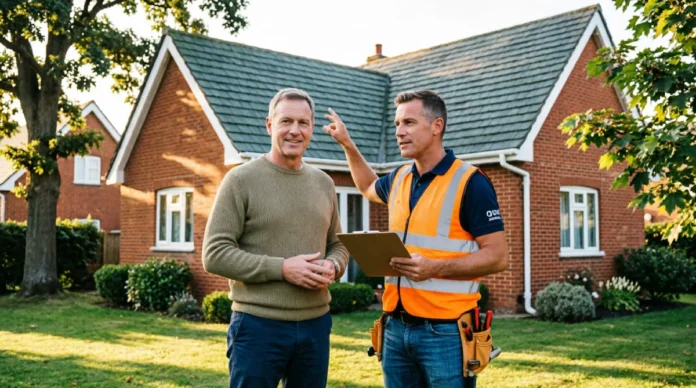
While homeowners can visually inspect their roofs from the ground, professional inspections provide a much more detailed evaluation.
Experienced roofing professionals know how to identify:
- Hidden leaks
- Weak flashing
- Storm-related damage
- Ventilation problems
- Early structural concerns
Professional maintenance services help ensure problems are repaired correctly before they become larger and more expensive.
Scheduling regular inspections with trusted roofing contractors is one of the smartest ways homeowners can protect their roofs and avoid unnecessary repair costs.
Conclusion
Preventative roof maintenance is one of the most cost-effective investments homeowners can make. By identifying small problems early, improving energy efficiency, reducing emergency repairs, and extending roof lifespan, regular maintenance helps save money in both the short and long term.
Ignoring roofing issues often leads to larger structural problems, expensive water damage, and premature roof failure. Routine inspections and maintenance provide peace of mind while helping homeowners protect one of the most important parts of their property.