


Mold problems can feel overwhelming for homeowners. After going through inspections, cleanup, repairs, and drying services, many people assume the issue is completely gone for good. Unfortunately, mold can return after cleanup if the underlying causes are not properly addressed. That is why understanding how mold regrows and how to prevent it is essential for protecting your home and indoor air quality.
In Florida’s humid climate, moisture problems are especially common. Homes exposed to leaks, flooding, poor ventilation, or storm damage are more vulnerable to recurring mold growth than many homeowners realize.
Why Mold Comes Back After Cleanup
Mold spores naturally exist in the air both indoors and outdoors. They become a problem when they find moisture and organic material to grow on, such as drywall, wood, insulation, or carpeting. Even after professional cleanup, mold can return if moisture remains hidden behind walls, under flooring, or inside HVAC systems.
One of the biggest reasons mold reappears is incomplete drying after water damage. A surface may appear dry, but moisture trapped underneath can continue feeding mold growth. Small plumbing leaks, roof damage, or poor ventilation can also recreate the damp conditions mold needs to thrive.
In some cases, homeowners only remove visible mold without addressing the actual source of the moisture. Cleaning stains alone does not eliminate the risk of regrowth.
Common Areas Where Mold Returns
Certain areas of the home are more likely to experience recurring mold issues. Bathrooms, kitchens, laundry rooms, attics, and basements often have higher humidity levels and reduced airflow. Air conditioning systems can also spread moisture and spores if they are not maintained properly.
Homes affected by storm flooding are especially vulnerable because water can seep into hidden spaces. Wall cavities, crawlspaces, and insulation materials can retain moisture long after the visible water disappears.
Florida homeowners should also pay close attention to windows and ceilings. Condensation buildup and roof leaks can slowly create the perfect environment for mold colonies to grow unnoticed.
Signs Mold May Be Returning
Mold does not always appear immediately after cleanup. Sometimes it develops gradually over weeks or months. Recognizing the warning signs early can help prevent larger restoration costs later.
Some common signs include:
- A persistent musty odor
- New discoloration on walls or ceilings
- Peeling paint or bubbling drywall
- Increased allergy symptoms indoors
- Damp or humid areas that never fully dry
- Visible spots around vents or windows
Even if mold is not visible, unusual odors often indicate hidden moisture problems behind surfaces.
The Importance of Proper Moisture Control
The key to preventing mold from returning is controlling moisture inside the home. Professional restoration companies focus heavily on drying, dehumidification, and identifying hidden water intrusion because mold cannot survive without moisture.
Homeowners can reduce risks by:
- Repairing plumbing leaks immediately
- Maintaining roofing systems regularly
- Using exhaust fans in bathrooms and kitchens
- Keeping indoor humidity levels below 60%
- Scheduling HVAC inspections and maintenance
- Ensuring proper drainage around the property
Dehumidifiers can also help in humid climates where excess moisture is difficult to control naturally.
Why Professional Mold Remediation Matters
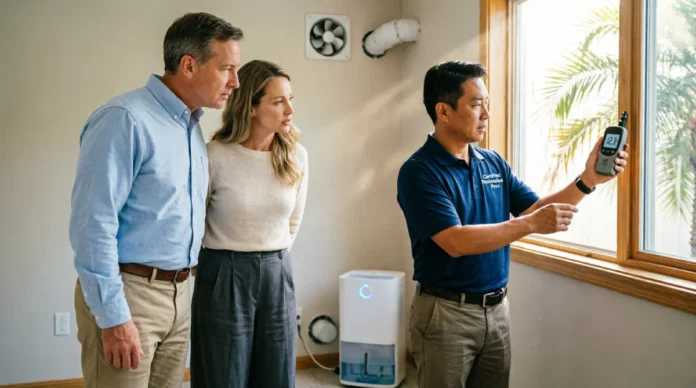
Professional mold remediation involves much more than surface cleaning. Certified technicians use moisture detection tools, containment systems, air filtration equipment, and industrial drying methods to reduce the chances of mold returning.
Improper cleanup can actually spread spores into unaffected areas of the home. That is why DIY methods often fail when dealing with larger infestations or hidden moisture damage.
Experienced restoration teams inspect the full extent of the problem, identify moisture sources, remove contaminated materials safely, and verify that affected areas are fully dry before repairs begin.
For homeowners dealing with recurring moisture issues, professional Damage Restoration in Port St. Lucie services can help identify hidden causes that may otherwise go unnoticed.
How Long Does Mold Prevention Last?
There is no permanent guarantee against mold because spores are always present in the environment. However, when moisture issues are fully corrected and proper prevention steps are followed, homes can remain mold-free for years.
The success of mold prevention depends largely on ongoing maintenance. Small leaks, neglected ventilation issues, or storm damage can quickly recreate ideal growing conditions.
Routine home inspections are especially important in humid coastal regions where moisture exposure is more frequent.
Final Thoughts
Mold cleanup is only one part of the solution. Preventing mold from returning requires addressing moisture problems, improving ventilation, and monitoring vulnerable areas of the home. Ignoring small warning signs can allow hidden mold growth to spread and create larger structural and health concerns over time.
Homeowners who act quickly after water damage and invest in thorough remediation are far more likely to avoid recurring mold problems. In humid environments like Florida, staying proactive is one of the best ways to protect both your property and your indoor air quality.