


The Japanese tea ceremony originated during the 9th century, when a Buddhist monk Aiqiu offered tea to Emperor Saga. Later, the monks perfected it and made it a part of Japanese tradition, where they drank tea over a discussion on art and philosophy.
Since then, it has become a part of Japanese culture where they seek to concentrate on the present moment and appreciate things around them. Therefore, keeping it as a base, in the next section, we will discuss about Japanese tea ceremony and how it promotes mindfulness.
That way, you can add it to your daily life and practice Zen Buddhism to achieve better mental health and lead a healthy life.
Ways Japanese Tea Ceremony Promotes Mindfulness
Mindful Preparation
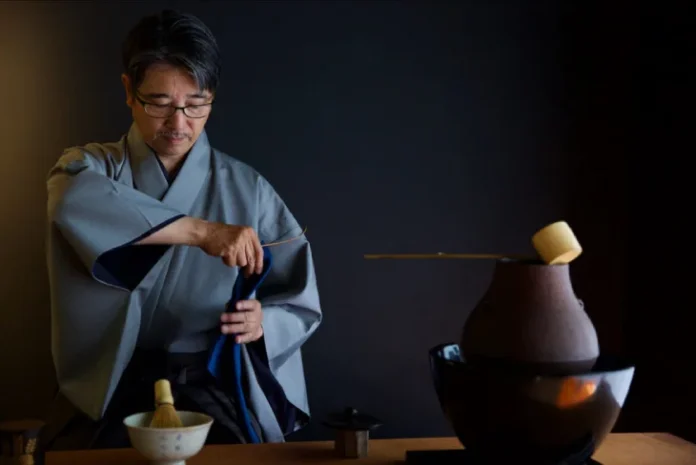
One of the areas Japanese tea ceremonies pay close attention to is mindful preparation. The master who offers the tea ceremony should clean the whole house, along with purifying the utensils. When the master brings his or her guests into the home, they take time to clean all the utensils.
This is an act of mindfulness or mental concentration. This comes under the series of gestures required to promote the feeling of Zen in the ceremony. Also, it caters to one’s concentration and patience required to purify the utensils and prepare the tea to distribute to guests.
Elegant Aesthetics
A tranquil setting is key to hosting the tea ceremony. The whole idea of doing the ceremony is to promote peace and purity, and it comes from the setting you sit in or the things that are around you. Therefore, careful arrangement is necessary to host the ceremony and enable people to focus on the present.
Thus, from the utensils required to make the tea, the tearoom or the garden becomes an integral part of letting guests calm their minds and interact with themselves. Also, it is a way to tell guests that each tea meeting is unique and cannot be replicated. That way, the ceremony urges the guest and the master to enjoy the present moment.
Tools Used for The Tea Ceremony
Japanese people are precise with their choices of utensils, especially when hosting a tea ceremony. They must be mindful of the type of utensils they use to give tea to the guests and the place where they make the tea.
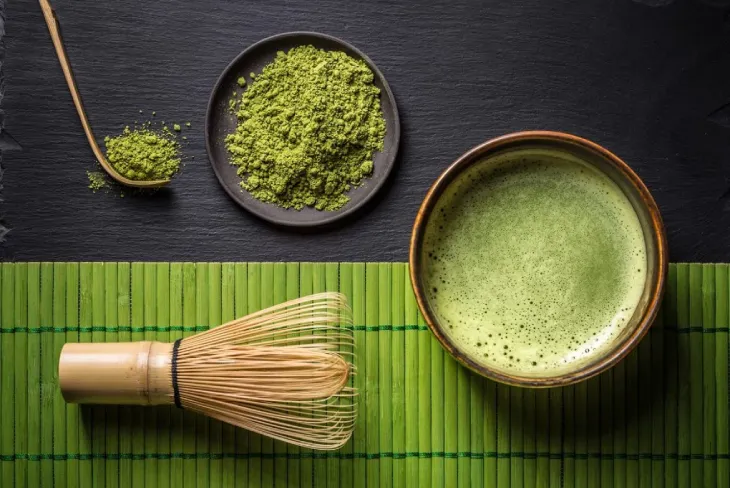
Here is the list of “dogu” or the utensils chosen for the tea ceremony –
- Chawan (tea bowl)
- Fukusa (silk cloth)
- Chasen (bamboo tea whisk)
- Chasaku (tea scoop)
Each of the tools has an artistic value that enlightens the tea ceremony and delivers a more aesthetic experience to the guests. Thus, each tool is maintained with great care and love to host brilliant tea ceremonies in the future.
That’s how you practice mindfulness, paying attention to each detail and concentrating on the present time rather than other thoughts. Hence, you can celebrate the beauty found in minimal things and appreciate life even more.
The Tea Ceremony Occasion
The tea ceremony is an echo of various etiquettes that come together in one place to appreciate the present moment. The purpose of the ceremony is to boost your concentration powers and respect the objects used in the ceremony.
Here are a few steps or Temae followed in the ceremony –
- The master cleanses each tool
- Warm up the tea bowls
- Put the tea in the hot water and create a froth
During the process, the guests are expected to concentrate on the process, appreciating the mastery and craftsmanship of the utensils. That way, you can learn to respect everything that surrounds us, the living and the non-living parts.
Here are a few ways traditional Japanese tea ceremonies in the UK promote mindfulness.
The Conclusion
The tea ceremony is embedded in Japanese culture, as it looks to follow the ideals and practices of Zen Buddhism. Ceremonies are a way to celebrate the present moment and appreciate everything that surrounds us. Also, it is a way to calm your mind and relax, especially from the busy, mundane life of the city.
The ceremony serves as a testament to Japanese culture and its immense focus on minute details and striving for perfectionism. This idea of being perfect works at every stage of life and becoming better at what you do. That way, you can understand the core foundation of Japanese philosophy and art.