
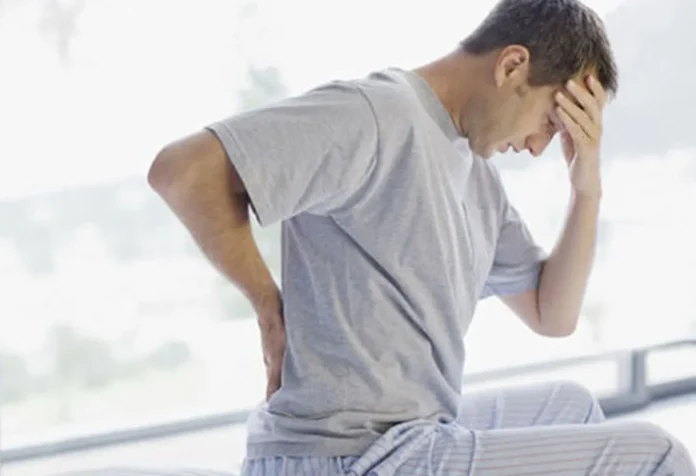


Piles are one of those health issues people often whisper about but rarely understand clearly. If you have ever experienced itching, pain, or bleeding during bowel movements, you are not alone. Millions of people across the world deal with these uncomfortable symptoms every year, often confusing piles with hemorrhoids or assuming they are something far more serious.
The good news is that piles are highly manageable with the right knowledge and treatment approach. From modern medical solutions to natural remedies and lifestyle changes, there are effective ways to reduce discomfort and prevent flare-ups. In this guide, we will break down the differences between piles and hemorrhoids, explore proven treatments, and share practical tips to help you heal and stay symptom-free.
Differences Between Piles and Hemorrhoids
Many people use the terms “piles” and “hemorrhoids” interchangeably, which is understandable because they refer to the same medical condition. Both describe swollen or inflamed veins in the rectum or anus that develop due to increased pressure, often from chronic constipation, pregnancy, obesity, or prolonged sitting. In medical terminology, hemorrhoids is the formal term, while piles is the commonly used name, especially in the UK and parts of Asia.
There are two main types: internal and external. Internal piles form inside the rectum and usually cause painless bleeding during bowel movements. External piles develop around the anus and can be itchy, painful, and sometimes form blood clots, known as thrombosed hemorrhoids. These tend to be more uncomfortable and noticeable.
Understanding this distinction matters because symptoms and treatment approaches can differ based on the type and severity. Mild internal piles may heal with diet changes alone, while external or advanced cases may need targeted therapies. Knowing what you are dealing with helps you choose the most effective path to relief and avoid unnecessary anxiety.
Medical Treatments for Piles Symptoms
When lifestyle changes are not enough, medical treatment for piles can provide faster and more reliable relief. Doctors often begin with topical solutions such as anti-inflammatory creams, numbing ointments, and suppositories that reduce swelling, itching, and pain. These are especially helpful during flare-ups when symptoms disrupt daily life or sleep.
For persistent cases, minimally invasive procedures may be recommended. Rubber band ligation cuts off blood supply to the swollen vein, causing it to shrink and fall off naturally. Sclerotherapy involves injecting a solution that hardens and shrinks the pile, while infrared coagulation uses heat to reduce blood flow. These treatments are quick, safe, and usually performed without hospitalization.
In severe or recurring cases, surgical removal may be the best option. While it requires recovery time, it offers long-term relief. If you are researching professional options, this detailed guide on treatment for piles explains modern procedures and what to expect. Consulting a qualified healthcare provider ensures you receive the safest and most effective treatment plan based on your symptoms.
Natural Remedies and Supportive Care
Not everyone wants to start with medication or procedures, and that is completely reasonable. Natural remedies can be highly effective for mild to moderate piles, especially when combined with healthy habits. Warm sitz baths, for example, relax the anal muscles and reduce inflammation within minutes. Applying cold compresses can also numb pain and decrease swelling.
Diet plays a powerful role in healing. Fiber-rich foods such as oats, fruits, vegetables, and legumes soften stools and reduce straining, one of the main causes of piles. Drinking plenty of water keeps digestion smooth and prevents constipation from undoing your progress. Many people also find relief using herbal supplements like psyllium husk or aloe vera, known for their soothing and anti-inflammatory properties.
Some individuals prefer holistic solutions that blend essential oils and plant extracts for external application. Resources such as Healing Natural Amoils explore alternative approaches designed to support skin repair and reduce discomfort naturally. While natural remedies are helpful, it is wise to monitor symptoms closely and consult a doctor if bleeding or pain persists.
Lifestyle Changes to Prevent Recurrence
Treating piles is only half the battle. Preventing them from coming back requires consistent lifestyle adjustments that support healthy digestion and circulation. One of the most important habits is avoiding prolonged sitting, especially on the toilet. Sitting for long periods increases pressure in the rectal veins, making flare-ups more likely.
Regular physical activity also plays a key role. Even a 30-minute daily walk improves blood flow and keeps bowel movements regular. Simple exercises such as yoga or stretching can reduce pelvic pressure and strengthen core muscles, indirectly supporting rectal health.
Stress management is another overlooked factor. Chronic stress can disrupt digestion, leading to constipation or diarrhea, both of which irritate piles. Mindful breathing, adequate sleep, and balanced meals can make a noticeable difference over time. When healthy routines become part of your lifestyle, piles often become a rare and manageable issue rather than a recurring problem.
Final Thoughts
Piles may be uncomfortable, but they are far from untreatable. Whether you choose medical solutions, natural remedies, or a combination of both, early action can dramatically reduce symptoms and speed up recovery. Understanding how piles differ from hemorrhoids in terminology, type, and severity empowers you to make smarter health decisions.
By focusing on proper treatment, balanced nutrition, and daily habits that support digestive health, you can regain comfort and confidence. Remember, persistent pain or bleeding should never be ignored. Seeking professional advice early can prevent complications and help you return to a normal, active life without constant discomfort.