
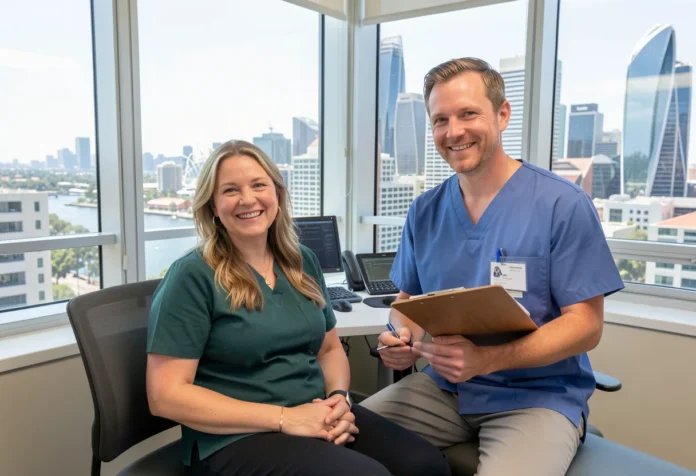

Gastric sleeve surgery has emerged as a highly effective weight-loss solution for individuals battling obesity. In gastric sleeve surgery in Sydney, the procedure is gaining considerable attention for its ability to significantly alter patients’ lives. This type of surgery can lead not only to substantial weight loss but also to long-term health improvements.
Understanding Gastric Sleeve Surgery
Also known as sleeve gastrectomy, gastric sleeve surgery involves the removal of a large portion of the stomach. This results in a sleeve or tube-like structure, which reduces the stomach’s capacity, limiting food intake and aiding in weight loss. The procedure is usually performed laparoscopically, meaning it is minimally invasive and involves a shorter recovery time compared to open surgeries.
Benefits of Gastric Sleeve Surgery
One of the primary benefits of gastric sleeve surgery is significant weight reduction. Patients often report losing between 60% to 70% of their excess weight within a year following the procedure. Beyond weight loss, this surgery can lead to improvements in obesity-related conditions such as Type 2 diabetes, hypertension, and obstructive sleep apnea.
Eligibility for Gastric Sleeve Surgery
Not everyone is a suitable candidate for gastric sleeve surgery. Generally, it is recommended for individuals with a body mass index (BMI) over 40, or over 35 if the person has obesity-related health issues. Furthermore, candidates must demonstrate previous attempts at weight loss through diet and exercise without significant success.
The Procedure
The gastric sleeve procedure involves general anaesthesia and typically takes about one to two hours. During the surgery, the surgeon removes approximately 75% to 80% of the stomach, creating a new banana-sized stomach. This notably smaller stomach limits food intake and reduces hunger levels due to lower production of the hunger hormone ghrelin.
Recovery Process
Post-surgery, patients generally stay in the hospital for one to two days. Recovery time varies per individual, but most can return to normal activities within four to six weeks. Patients need to adhere to dietary guidelines throughout their recovery period. Initially, a liquid diet is necessary, gradually transitioning to thicker foods before returning to solid foods.
Risks and Considerations
As with any surgery, there are inherent risks. Gastric sleeve surgery may result in complications such as bleeding, infection, or adverse reactions to anaesthesia. Long-term risks can include gastric leaks, nutritional deficiencies, or gastroesophageal reflux disease. Therefore, prospective patients must discuss potential risks in detail with their surgical team.
Choosing the Right Surgeon
Selecting a qualified and experienced surgeon is vital for ensuring successful outcomes. Patients considering gastric sleeve surgery in Sydney should seek recommendations, verify the surgeon’s credentials, and ensure they feel comfortable discussing concerns and expectations with the medical professional.
Life After Gastric Sleeve Surgery
Lifestyle changes play an integral role in the success of gastric sleeve surgery. Patients must commit to healthy eating habits, regular physical activities, and follow-up appointments with their healthcare providers. Nutritional counselling and support groups may also be beneficial in maintaining weight loss and improving overall well-being.
Dietary Changes Post-Surgery
Diet is a critical factor in the success of gastric sleeve surgery. Patients need to follow a structured meal plan that involves high-protein, low-calorie foods. Chewing food thoroughly and avoiding high-fat and high-sugar foods are also imperative to avoid complications and ensure sustained weight loss.
Psychological Support
Adapting to life after surgery can be challenging, so psychological support is often recommended. Many patients find it beneficial to engage with therapists or counsellors who specialise in weight-loss therapy and support. This can aid in developing coping strategies and maintaining motivation.
Long-term Follow-up
Regular follow-up appointments with healthcare providers are critical to monitor progress and ensure nutritional needs are met. Blood tests to check vitamin and mineral levels and assessments of weight-loss progress should form part of these follow-up sessions.
Financial Considerations
The cost of gastric sleeve surgery in Sydney can vary greatly, depending on the healthcare provider and what’s included in the surgery package. It’s important for patients to research, compare services, and verify what is covered by their health insurance, if applicable.
Is Gastric Sleeve Surgery Right for You?
Deciding on gastric sleeve surgery is a significant decision that demands careful consideration and discussions with healthcare professionals. It is vital to have a comprehensive understanding of the procedure, associated risks, and necessary lifestyle changes post-surgery to ensure long-term success.
Final Thoughts
Gastric sleeve surgery can indeed be a transformative step for those struggling with severe obesity, offering a new lease on life. With the potential for dramatic weight loss and health improvements, it stands as a powerful option for individuals committed to making enduring changes for their well-being.