


A winter morning on the slopes, a demanding climb by bike, or an early run before work can expose the weaknesses of ordinary wearable technology. Outdoor athletes need more than notifications on the wrist. They need reliable performance insights, practical sport features, durable materials, and a battery that will not become another item to manage.

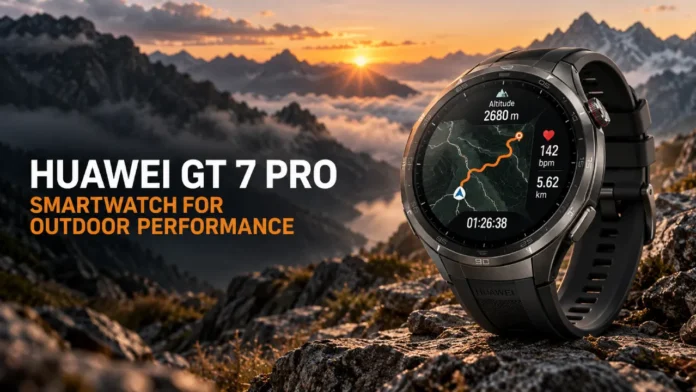
Created for active adults who want advanced technology without sacrificing refined design, the HUAWEI gt 7 pro smartwatch combines flagship materials with dedicated skiing and cycling modes, convenient strap changes, and up to 21 days of battery life. It is positioned as a premium training companion for people who move naturally between sport, travel, work, and everyday life.
Flagship Materials Designed for Active Lifestyles
Outdoor equipment must cope with changing conditions, frequent movement, and regular contact with clothing or sports gear. The WATCH GT 7 Pro addresses these demands through a combination of titanium and nano-tech ceramic, giving the watch a high-end appearance suited to both rugged environments and professional settings.
Titanium is valued in performance-focused products because it balances strength with comfortable wear. Nano-tech ceramic adds a polished quality that complements the watch’s premium construction. Together, these materials allow the device to transition easily from a demanding outdoor session to a meeting, dinner, or weekend event.
That versatility matters to users who do not want separate devices for training and daily routines. A smartwatch worn during a morning run should still feel appropriate later in the office. The material choices help create a design that is athletic without looking excessively technical.
The watch can also remain comfortable during longer sessions, when fit and freedom of movement become especially important. Whether it is worn over an extended cycling route or throughout a full day outdoors, its construction supports a more natural wrist experience.
Dedicated Support for Skiing Adventures
Skiing creates a distinctive set of challenges for wearable devices. Low temperatures, gloves, rapid changes in elevation, and repeated downhill runs all require a smartwatch that can fit smoothly into the activity.
The all-new skiing mode is designed to give enthusiasts more useful sport information while they are on the mountain. Instead of treating skiing like a general workout, the dedicated mode reflects the structure and movement patterns of the sport. This makes it easier to study a session and understand how time on the slopes was used.
For recreational skiers, recorded data can add context to a day that might otherwise be remembered only by distance or duration. More experienced users can incorporate session information into a structured training routine, particularly when working on consistency and physical conditioning.
Practical preparation remains essential before heading out. Users can check the watch’s charge level, adjust the strap for winter clothing, and select the appropriate sport mode before putting on gloves. These small steps reduce distractions and keep attention where it belongs: on movement, technique, and changing outdoor conditions.
Smarter Data for Every Cycling Session
Cyclists often train across varied terrain, from short urban routes to long countryside rides. The new cycling mode is built around this diversity, helping riders organise their activity data and develop a clearer picture of each session.
The HUAWEI gt 7 pro smartwatch can become part of a cyclist’s regular preparation alongside a helmet, repair kit, hydration, and suitable clothing. Starting the correct mode before departure creates a consistent record of activity, which is particularly helpful for people who alternate between endurance rides, recovery sessions, and higher-intensity efforts.
Useful sport data is not only about collecting numbers. Its real value lies in interpretation. A rider may use recent activity patterns to decide whether the next outing should be longer, easier, or more controlled. Over time, this supports a more scientific approach to training management rather than relying entirely on instinct.
Long-distance cyclists also benefit from reducing unnecessary equipment concerns. When a wearable offers strong battery endurance, it is easier to focus on pacing, road awareness, and changing weather instead of repeatedly checking the remaining charge.
Built for Running, Golf, and Varied Outdoor Routines
Although skiing and cycling are key highlights, many outdoor enthusiasts rarely limit themselves to a single sport. A cyclist may run during the week, play golf at the weekend, and travel to the mountains during winter. A premium sports smartwatch should fit this varied schedule without creating additional complexity.
For runners, consistent activity records can support a disciplined routine. Training becomes easier to manage when sessions are viewed as part of a wider pattern rather than isolated efforts. Distance, workload, and recovery habits can then be considered together when planning the next run.
Golf presents a different rhythm. It involves hours of walking, repeated technical movements, changing terrain, and long periods outdoors. A comfortable watch with substantial battery capacity is well suited to this environment, especially for users who want to keep their broader activity routine connected throughout the day.
The key advantage is continuity. One wearable can remain part of multiple sporting environments, helping users maintain familiar habits even when their preferred activity changes with the season.
EasyCross Strap for Faster Transitions
A watch strap may appear to be a minor detail, but it has a significant effect on daily usability. A strap suitable for a formal setting may not be the preferred option for a long ride, while winter clothing can require a different fit from lightweight running gear.
The EasyCross Strap provides a quick-release approach that makes changing the strap more convenient. Users can adapt the watch for exercise, travel, work, or social occasions without turning the process into a technical task.
This flexibility also supports better equipment care. After a sweaty workout, a sport-oriented strap can be removed for cleaning, while another strap can be attached for the rest of the day. For people who train frequently, an easier change mechanism helps the watch remain fresh, comfortable, and ready for different situations.
A few practical strap habits can improve the wearing experience:
- Select a secure but comfortable fit before beginning an activity.
- Adjust the strap when adding or removing layers of clothing.
- Clean the strap after intense or extended exercise.
- Allow both the strap and wrist to dry before wearing the watch again.
- Check the attachment points after making a strap change.
- Up to 21 Days of Battery Life
Battery performance plays a central role in any outdoor wearable. Frequent charging interrupts activity tracking and can leave a device unavailable just when it is needed. The WATCH GT 7 Pro offers up to 21 days of battery life, supporting longer routines with fewer charging interruptions.
Actual battery endurance will depend on individual usage, enabled functions, workout frequency, display habits, and other settings. Even so, the maximum figure reflects a design intended for extended use rather than constant access to a charger.
This is particularly relevant for active users between the ages of 25 and 45, many of whom balance exercise with demanding schedules. A rider may train before work, track general activity during the day, and go running the following evening. Travellers may spend several days away from their usual charging setup. Skiers may prefer to leave charging cables at their accommodation rather than carry them during each outing.
Long battery life also makes consistent data collection easier. When a watch is worn regularly, activity patterns become more complete, allowing users to view training as an ongoing process. Charging can then be planned around rest periods instead of interrupting a scheduled workout.
Scientific Training Starts with Consistent Habits
Advanced sports functions are most helpful when they encourage sensible decisions. Progress rarely comes from making every session as difficult as possible. It comes from balancing workload, recovery, technique, and personal goals.
Wearable data can support this process by creating a reliable record of activity. A runner may identify a week with unusually high volume. A cyclist may notice that several demanding rides have occurred close together. A skier may use session information to manage energy across multiple days on the mountain.
Data should inform training rather than dominate it. Users still need to consider sleep, nutrition, weather, experience, and how the body feels. The watch provides structure, while the athlete applies that information to real-world conditions.
This approach is especially suitable for busy outdoor enthusiasts. Instead of following a rigid programme that ignores work or family responsibilities, they can use recorded activity to make practical adjustments. An intense cycling session might be followed by an easier run, mobility work, or rest.
A Premium Smartwatch Beyond the Trail
The value of an outdoor smartwatch is not limited to the hours spent exercising. Its design, comfort, and ease of use determine whether it remains useful throughout the rest of the day.
Titanium and nano-tech ceramic give the watch a refined identity, while the EasyCross Strap supports quick style changes. The result is a device that can accompany a morning workout, a commute, a business schedule, and an evening event without appearing out of place.
For those planning a new sports wearable, the official HUAWEI gt 7 pro smartwatch product page provides current purchasing details and configuration information. Availability, colours, strap options, and specific features may vary by market.
Making the Watch Part of a Weekly Training Plan
A structured weekly routine can help users gain more value from the watch without overcomplicating their training:
Cycling days: Select the dedicated cycling mode before starting, then review the session as part of the week’s total workload.
- Running days: Keep the watch fit consistent to support stable tracking and compare activity patterns over time.
- Golf sessions: Charge in advance when planning to spend several hours on the course.
- Ski trips: Adjust the strap around winter layers and activate skiing mode before putting on gloves.
- Recovery periods: Use lighter days to review recent activities, clean the strap, and schedule charging if required.
Travel days: Check battery status before departure and choose settings that match the length and purpose of the trip.