
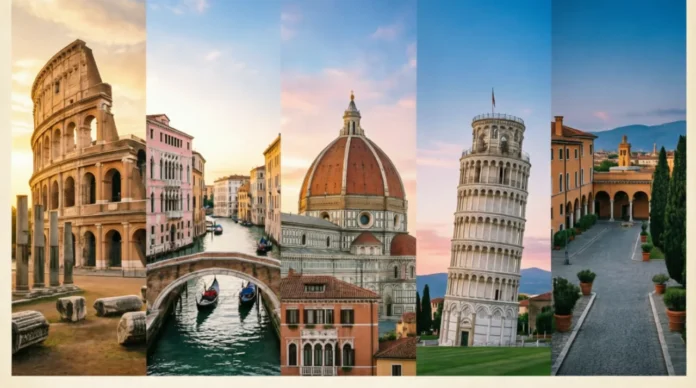


Italy has inspired travellers for centuries with its extraordinary collection of historic cities, artistic masterpieces, remarkable architecture, and celebrated cuisine. Every region offers a unique perspective on the country’s cultural identity, making Italy an ideal destination for visitors who enjoy combining history with contemporary city life. From elegant canals and Renaissance landmarks to grand cathedrals and vibrant public squares, Italy’s cultural hubs promise unforgettable experiences year-round.
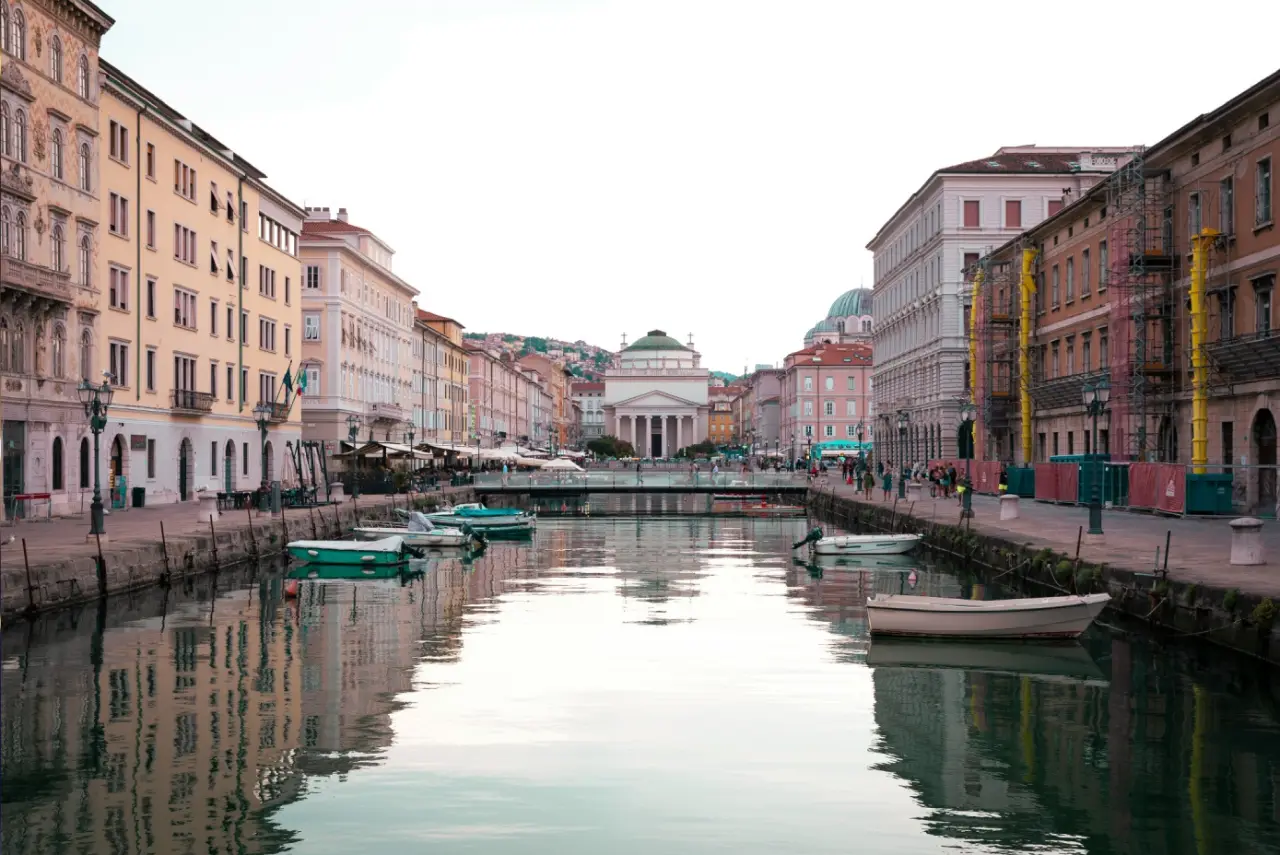
From the Canals to the Eternal City
A memorable way to begin an Italian adventure is aboard the train from Venice to Rome, a comfortable journey linking two of the country’s most iconic destinations. Travelling by rail allows visitors to admire the changing scenery while moving efficiently between northern and central Italy.
Leaving Venice behind, the landscape gradually transforms from peaceful lagoons and fertile plains to rolling countryside and historic towns before arriving in the capital. Spacious seating, modern trains, and city-centre stations make the experience convenient for travellers wishing to maximise their time exploring rather than navigating airports.
The journey itself provides an excellent introduction to Italy’s geographical and cultural diversity.
Connecting Northern Italy’s Great Cities
Another popular rail route is the Rome to Milan train, which joins Italy’s political and historical heart with its internationally recognised centre of fashion, business, and design. High-speed services make it easy to experience two very different cities during the same holiday.
Travellers often appreciate the opportunity to explore ancient monuments in Rome before continuing north to discover Milan’s elegant shopping districts, impressive museums, and contemporary architecture. Frequent departures provide flexibility, allowing visitors to tailor their itinerary to their own pace.
The excellent railway network encourages multi-city travel while offering a comfortable alternative to domestic flights.
Venice’s Timeless Beauty
Few destinations are as instantly recognisable as Venice. Built across a network of islands connected by canals and elegant bridges, the city creates an atmosphere unlike anywhere else in the world.
Exploring on foot reveals narrow alleyways, quiet courtyards, artisan workshops, and charming cafés hidden away from the busiest tourist routes. Gondolas glide through peaceful waterways while magnificent palaces reflect centuries of prosperity and maritime influence.
Venice rewards slow exploration. Wandering without a strict itinerary often leads to unexpected discoveries, from tiny churches to picturesque canals where daily life continues much as it has for generations.
Rome’s Living History
Rome offers one of the richest historical experiences in Europe. Layers of ancient civilisation, Renaissance art, Baroque architecture, and modern Italian life combine to create a city where every neighbourhood tells a different story.
The Colosseum, Roman Forum, and Pantheon introduce visitors to the grandeur of the ancient empire, while lively piazzas and elegant fountains demonstrate the city’s continued importance through later centuries. Museums, churches, and hidden archaeological sites reveal discoveries around almost every corner.
Despite its global fame, Rome remains a city best appreciated at a relaxed pace, allowing time to absorb its remarkable historical atmosphere.
Florence and the Renaissance Legacy
Located in the heart of Tuscany, Florence is often regarded as the birthplace of the Renaissance. The city’s artistic achievements continue to attract travellers from around the world who wish to admire masterpieces, elegant architecture, and beautifully preserved historic streets.
The impressive cathedral dominates the skyline, while museums contain works by some of history’s greatest artists. Walking across historic bridges and through lively piazzas introduces visitors to a city where creativity shaped nearly every aspect of urban life.
Milan’s Contemporary Elegance
Milan presents a modern interpretation of Italian culture while maintaining a strong connection to its historical roots. Sophisticated shopping streets, internationally renowned fashion houses, and striking contemporary architecture sit comfortably alongside centuries-old churches and elegant public squares.
The magnificent cathedral remains one of Europe’s finest Gothic buildings, while nearby museums and theatres celebrate Milan’s long artistic tradition. Stylish cafés and innovative restaurants reflect the city’s reputation for combining creativity with refinement.
Visitors often discover that Milan offers far more than fashion, rewarding those who take time to explore beyond its famous boutiques.
The Pleasure of Italian Cuisine
Food forms an essential part of every Italian journey. Each city celebrates its own regional recipes using ingredients that reflect local traditions and landscapes. Venice is known for seafood specialities, Rome delights visitors with classic pasta dishes, Florence showcases Tuscan flavours, and Milan introduces distinctive northern cuisine.
Morning markets overflow with fresh produce, artisan cheeses, cured meats, and handmade pastries. Family-run restaurants continue preparing recipes passed down through generations, allowing travellers to experience authentic local flavours.
Sharing long meals in lively piazzas becomes one of the most enjoyable ways to appreciate Italy’s welcoming culture.
Beyond the Famous Attractions
Although Italy’s celebrated landmarks deserve their reputation, quieter neighbourhoods often provide equally memorable experiences. Local parks, riverside promenades, independent bookshops, artisan workshops, and residential streets reveal everyday life beyond the busiest tourist areas.
Smaller museums and family-owned cafés frequently offer a more personal atmosphere where visitors can engage with local traditions. Spending time outside the main sightseeing routes creates a deeper understanding of each destination’s unique character. These quieter moments often become lasting highlights of an Italian holiday.
Planning the Perfect Cultural Escape
Italy’s extensive railway network makes travelling between major cities remarkably straightforward. Allocating several days to each destination allows time to enjoy museums, architecture, local cuisine, and spontaneous discoveries without feeling rushed.
Spring and autumn provide especially pleasant conditions for sightseeing, while every season offers its own unique atmosphere and cultural events. Comfortable walking shoes, advance museum reservations, and a flexible itinerary help create a more relaxed travel experience.
Allowing time simply to wander through historic streets is often just as rewarding as visiting famous landmarks.
Conclusion
Italy’s cultural cities offer an extraordinary combination of history, art, architecture, and unforgettable local traditions. From Venice’s romantic canals and Rome’s ancient monuments to Florence’s Renaissance heritage and Milan’s sophisticated elegance, every destination contributes something unique. Combined with outstanding rail connections, these remarkable cities create the perfect itinerary for travellers seeking an authentic and inspiring Italian escape.