
Interior spaces often hinge in proportion. Ceiling height, wall depth, and opening width quietly influence how a room feels long before furniture is arranged. When door dimensions fail to align with those proportions, even the most carefully curated décor can appear unsettled.
Selecting made to measure internal doors resolves those subtle imbalances with precision. Rather than adjusting frames to suit standard products, bespoke sizing works in harmony with existing architecture. Openings that once felt awkward or undersized begin to look intentional, enhancing flow while preserving the character of both modern apartments and heritage properties.
Respecting Architectural Heritage
Period homes rarely conform to contemporary manufacturing norms. Generous ceiling heights, deep skirting boards, and irregular apertures demand thoughtful solutions. Off-the-shelf options can appear diminished within grand proportions, disrupting visual harmony.
Tailored doors restore balance by echoing the original scale. Taller panels reinforce vertical emphasis, while custom widths prevent narrow passages from feeling constrained. Carefully matched detailing ensures that new additions sit comfortably beside cornices, architraves, and traditional mouldings.
Preserving Authentic Character
Attention to detail safeguards authenticity. Raised panels, beading profiles, and timber selection can reflect the era of construction without resorting to imitation. Skilled craftsmanship allows subtle integration, maintaining integrity while introducing improved functionality.
Elevating Contemporary Interiors
Modern homes benefit equally from bespoke sizing. Clean lines and minimal aesthetics rely heavily on proportion. A door that aligns perfectly with ceiling height or wall planes enhances that clarity, creating seamless transitions between spaces.
Full-height panels can amplify openness, drawing the eye upward and reinforcing architectural intent. Flush finishes paired with concealed hinges contribute to a streamlined appearance, allowing surfaces to read as uninterrupted planes.
Maximising Light and Space
Tailored glazing options introduce daylight into internal corridors or darker rooms. Custom dimensions ensure that glass placement aligns with sightlines, encouraging visual continuity. Light distribution becomes deliberate rather than accidental, shaping the atmosphere throughout the home.
Solving Practical Challenges
Irregular openings pose practical concerns. Alcoves, sloped ceilings, or structural beams often limit standard installation. Bespoke sizing eliminates compromise by adapting precisely to the space available.
Functionality improves alongside aesthetics. Proper alignment reduces draughts, prevents sticking, and ensures smooth operation over time. Accurate measurements translate into longevity, supporting consistent performance.
Material Choices and Craftsmanship
Dimension alone does not define quality. Material selection contributes significantly to durability and visual impact. Solid timber provides warmth and tactile richness, while engineered cores offer stability where environmental fluctuations occur.
Craftsmanship bridges design and execution. Precise joinery, carefully finished edges, and balanced weight distribution influence how a door feels in use. Subtle cues such as the resistance of a latch or the smoothness of a swing communicate refinement without overt display.
Creating Cohesion Across Rooms
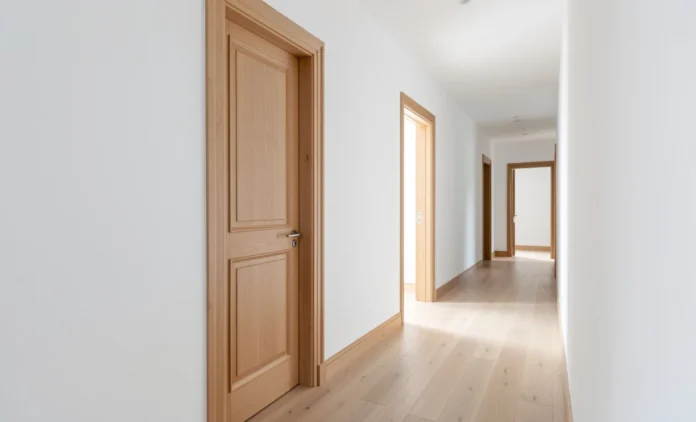
Tailored doors unify disparate spaces. Consistent height across varying openings establishes rhythm, guiding movement intuitively from one area to another. Even in eclectic interiors, proportion can act as a visual anchor.
Colour and finish further reinforce cohesion. Matching tones to flooring or contrasting against wall surfaces introduces deliberate contrast. Hardware selection adds another layer of individuality, reflecting personal taste while complementing architectural context.
Enhancing Property Value
Investment in custom sizing extends beyond immediate visual improvement. Prospective buyers often recognise thoughtful detailing as evidence of care. Well-proportioned interiors suggest renovation rather than superficial updates.
Longevity also contributes to financial sense. An accurate fit minimises wear caused by misalignment, reducing maintenance demands over time. Quality materials paired with precise installation offer sustained return.
Bridging Past and Present
Tailored solutions excel at uniting historical charm with contemporary comfort. Advanced insulation techniques, acoustic improvements, and modern locking mechanisms can be incorporated discreetly within traditional forms. The result balances heritage aesthetics with present-day expectations.
Contemporary residences likewise gain depth through subtle customisation. Bespoke proportions prevent uniformity, introducing nuance without overwhelming simplicity.
Conclusion
Upgrading an interior rarely requires structural upheaval. Adjusting proportions through tailored door solutions can recalibrate an entire home, influencing perception, movement, and light. Whether enhancing a period townhouse or refining a modern loft, bespoke sizing aligns design intent with architectural reality.
Precision transforms thresholds into defining features. By respecting existing character while introducing measured refinement, custom doors offer a sophisticated route to meaningful interior enhancement.