
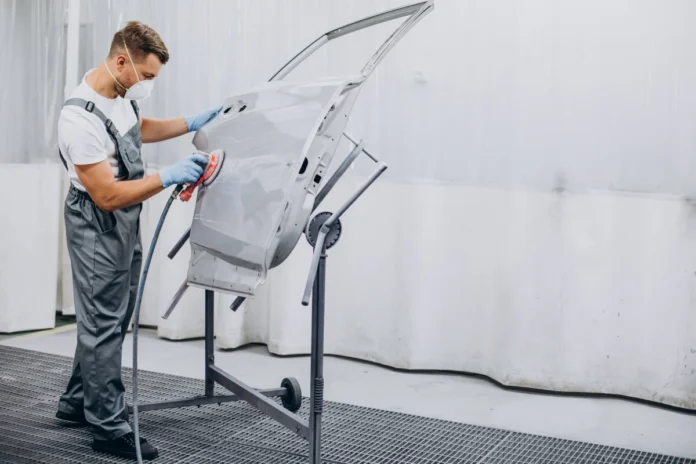


Being involved in a vehicle accident can be stressful, even when the damage appears minor. Once the initial shock wears off, one of the first concerns many drivers have is how the repair process works and how long it will take to get their vehicle back on the road. Understanding what happens during auto body repair can help ease concerns and ensure you know what to expect every step of the way.
Whether your vehicle has suffered dents, scratches, frame damage, or more extensive collision-related issues, professional repair technicians follow a structured process designed to restore your vehicle’s appearance, performance, and safety. Here’s a detailed look at the typical auto body repair process from start to finish.
Initial Damage Assessment
The first step in any repair project is a thorough inspection of the vehicle. Technicians carefully evaluate both visible and hidden damage to determine the full scope of repairs needed.
During this assessment, professionals typically examine:
- Exterior body panels
- Bumpers
- Doors
- Hood and trunk areas
- Frame structure
- Suspension components
- Lighting systems
- Paint damage
The goal is to identify all affected areas and create an accurate repair plan. In some cases, additional hidden damage may be discovered once repairs begin.
Preparing a Repair Estimate
After the inspection is complete, the repair facility prepares a detailed estimate outlining the required work and associated costs.
A typical estimate includes:
- Parts replacement costs
- Labor charges
- Paint and refinishing expenses
- Structural repair costs
- Additional repair procedures
This estimate helps vehicle owners understand the scope of work and provides documentation that may be required by insurance companies.
Once the estimate is approved, the repair process can move forward.
Insurance Coordination
If the damage is being covered through an insurance claim, communication between the repair facility and the insurance company often takes place during this stage.
The insurance provider may:
- Review repair estimates
- Authorize repairs
- Approve replacement parts
- Request supplemental inspections
Professional repair shops frequently assist customers throughout the claims process, helping streamline communication and minimize delays.
Vehicle Disassembly and Damage Inspection
Before repairs can begin, technicians often disassemble damaged areas of the vehicle. Removing affected panels and components allows them to inspect underlying structures that may not have been visible during the initial assessment.
This step helps identify:
- Hidden collision damage
- Structural issues
- Damaged mounting points
- Internal component failures
Discovering hidden damage early ensures that all necessary repairs are addressed before the vehicle is reassembled.
Structural and Frame Repairs
For vehicles involved in moderate or severe collisions, frame and structural repairs may be required.
The vehicle’s frame is critical because it supports overall stability and safety. Even small misalignments can affect handling, tire wear, and crash protection.
Technicians use specialized measuring equipment to:
- Evaluate frame alignment
- Restore structural integrity
- Correct distortions
- Ensure manufacturer specifications are met
Accurate structural repairs help ensure the vehicle performs properly and maintains its safety characteristics.
Repairing or Replacing Damaged Components
Once structural repairs are complete, technicians begin repairing or replacing damaged exterior components.
Common repairs may involve:
- Fenders
- Doors
- Quarter panels
- Bumpers
- Hoods
- Trunk lids
Depending on the severity of the damage, technicians may repair existing panels or install new replacement parts.
The objective is to restore the vehicle’s original appearance while maintaining proper fit and function.
Dent Removal and Surface Preparation
Before painting can begin, damaged surfaces must be carefully prepared.
Technicians perform tasks such as:
- Dent removal
- Sanding damaged areas
- Applying body filler when necessary
- Smoothing repaired surfaces
Proper surface preparation is essential because it directly affects the quality of the final finish.
Any imperfections left behind during this stage may become visible after painting, making attention to detail extremely important.
Paint Matching and Refinishing
One of the most noticeable aspects of any auto body repair is the paintwork. Modern vehicles feature complex paint formulations that require precise color matching.
Professional refinishing involves:
- Identifying the exact paint code
- Mixing and matching paint formulas
- Applying primer coatings
- Spraying color coats
- Applying protective clear coats
Advanced paint-matching technology helps ensure the repaired area blends seamlessly with the rest of the vehicle.
A properly refinished vehicle should show no obvious signs of repair.
Reassembly of the Vehicle
After painting and refinishing are complete, technicians begin reassembling the vehicle.
Components that may be reinstalled include:
- Trim pieces
- Lighting assemblies
- Mirrors
- Moldings
- Weather seals
- Interior panels
Each component is carefully inspected and positioned to ensure proper fitment and functionality.
This stage requires precision to restore the vehicle to its pre-accident condition.
Quality Control Inspection
Before the vehicle is returned to the owner, a comprehensive quality control inspection is typically performed.
Technicians review:
- Repair quality
- Paint finish consistency
- Panel alignment
- Component operation
- Safety systems
- Vehicle appearance
Any issues identified during this inspection are corrected before delivery.
Quality control helps ensure the repair meets both industry standards and customer expectations.
Mechanical and Safety System Checks
Many modern vehicles contain advanced safety features and electronic systems that may be affected during a collision.
Repair facilities often verify:
- Airbag systems
- Parking sensors
- Cameras
- Collision avoidance technology
- Electronic controls
- Lighting systems
Ensuring these systems function properly is an important part of restoring vehicle safety.
Final Cleaning and Detailing
Before returning the vehicle, many repair facilities perform a final cleaning and detailing service.
This may include:
- Exterior washing
- Interior vacuuming
- Window cleaning
- Dust removal
- Final appearance inspection
The goal is to return the vehicle in a clean, presentable condition so customers can fully appreciate the completed repairs.
Vehicle Delivery and Customer Review
Once all repairs have been completed and inspected, the vehicle is ready for pickup.
During delivery, technicians or service advisors may:
- Review completed repairs
- Explain warranty information
- Answer customer questions
- Provide maintenance recommendations
This final walkthrough allows customers to inspect the repairs and gain confidence in the work performed.
How Long Does the Auto Body Repair Process Take?
Repair timelines vary depending on several factors, including:
- Extent of damage
- Parts availability
- Insurance approvals
- Structural repair requirements
- Paint curing times
Minor cosmetic repairs may take only a few days, while major collision repairs can require several weeks.
A reputable repair facility will typically provide updates throughout the process to keep customers informed.
Choosing the Right Repair Facility
Selecting a qualified repair provider plays a major role in the quality of the final results. Experienced technicians, modern equipment, and strong customer service all contribute to a successful repair experience.
Many drivers rely on an auto body shop Wellesley residents trust for professional repairs that restore both appearance and safety after an accident.
Conclusion
The auto body repair process involves much more than simply fixing dents and applying fresh paint. From the initial damage assessment and structural repairs to refinishing and quality inspections, each step is carefully designed to restore the vehicle to its pre-accident condition.
Understanding what to expect during the repair process can help vehicle owners feel more confident and informed when dealing with collision damage. By choosing experienced professionals and allowing repairs to be completed properly, drivers can ensure their vehicle remains safe, reliable, and visually appealing for years to come.