
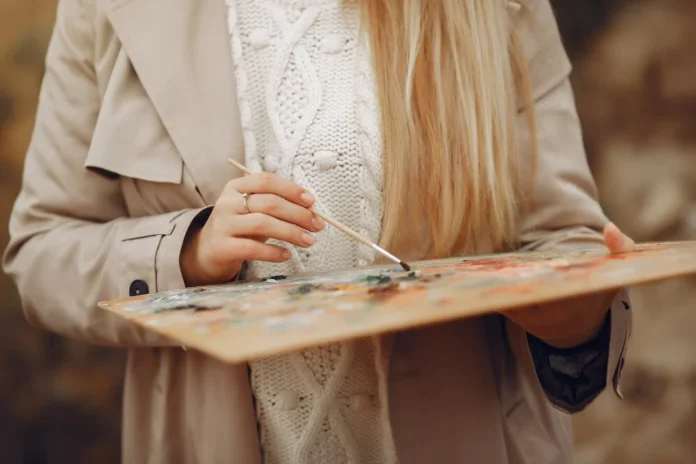


Many people feel nervous about starting to paint, thinking they need special skills or lots of experience. Paint by numbers kits have become a simple way for beginners to pick up a paintbrush and give art a try. Painting by numbers can make art feel less intimidating and help people get more comfortable with painting on their own.
With clear lines and easy-to-follow instructions, these kits are a gentle introduction to the world of painting. They allow adults to practise brush control, learn how colours work together, and finish a project at a comfortable pace. The process is perfect for those wanting to enjoy art without feeling lost or overwhelmed.
Some even take it a step further with options like DIY paint by numbers for adults, which lets people use their own photos and create a personalised piece of art from a custom paint by number kit. This makes the experience unique and more meaningful, while still keeping things simple for beginners.
How Painting By Numbers Builds Artistic Confidence
Painting by numbers is a simple method that can help people feel more self-assured with painting. It provides guidance to explore art in a low-pressure way, while also offering practical practice for hands, eyes, and creative thinking.
Breaking Down Creative Barriers
Many beginners worry about making mistakes. Painting by numbers removes that fear by giving clear outlines and instructions. People can focus on filling in spaces with colour, instead of feeling stuck about where to start.
This process helps to reduce stress and makes painting more enjoyable. The repeated action of matching colours to numbered areas builds trust in their own choices. When the final image comes together, people can see what they achieved, which builds confidence to try new art projects on their own.
Improving Brush Control And Technique
Working on painting by numbers kits requires careful use of brushes. People learn how to hold the brush steady, control the pressure, and follow lines neatly. This practice helps with coordination and improves accuracy.
Small sections mean the painter must be precise with every brushstroke. Over time, this repeated motion trains the hand and wrist for better movement. Many notice their lines become cleaner and paint coverage more even. This direct experience with different brush sizes and strokes lays a strong foundation for more advanced painting skills.
Building Colour Recognition And Selection Skills
Each painting by numbers set uses a range of colours. By matching paints with numbers, painters become familiar with shades, tones, and how colours work next to each other.
They start to notice how light and dark colours can change the look of a picture. Mixing small amounts of paint to match a certain shade helps people recognise colour relationships. These small steps build understanding of colour choices, so they can use them in their own art projects in the future. Gradually, people gain the knowledge and confidence to pick and blend colours on their own.
Transferring Skills From Painting By Numbers To Original Art
Painting by numbers can serve as a stepping stone towards independent art projects. Through regular practice, users can learn basic skills, get used to the tools, and slowly develop their own creative ideas.
Developing A Routine Artistic Practice
Routine is important for progress in any skill, and painting by numbers provides an easy way to build a regular habit. The step-by-step style makes it less stressful, so people can focus on showing up and working, rather than worrying about making mistakes.
By returning to the activity often, users learn patience and attention to detail. These habits matter when moving on to original art, where there is no template or guide to follow. Regular practice also helps boost confidence, as people see their improvement over time.
Short, repeated sessions can lead to better control and steadier hands. Over weeks or months, this repeated effort lays a solid foundation for trying new projects outside the lines of paint-by-numbers kits.
Gaining Familiarity With Artistic Tools And Materials
Painting by numbers helps beginners get comfortable with different brushes, paints, and surfaces. Users try out thin and thick brushes, water or acrylic paints, and learn how each behaves on canvas or paper.
Through following the numbered sections, they discover how paint flows, how colours can mix carefully, and which tools work best for different areas. Mistakes are part of this process, but the contained nature of paint by numbers allows safe practice with less frustration.
The experience gained by handling these materials makes switching to blank canvases less intimidating. Techniques such as cleaning brushes, mixing colours, and layering paint start to feel natural.
Encouraging Personal Artistic Exploration
As people finish more paint-by-numbers projects, many start to wonder what would happen if they picked their own colours or changed small details. This can be the first step towards creative thinking in art.
Some may adjust shading, choose different colour blends, or try to add extra lines and highlights themselves. Experimenting in this way lets users break out of rigid instructions at their own pace.
Over time, this leads to more confidence when starting entirely new works. They may begin with simple shapes or sketches and develop their own style, guided by skills and techniques practised through earlier projects.
Conclusion
Paint by numbers can make painting feel more approachable for beginners. It gives a simple way to practise brush control and learn how to mix colours.
The structured format helps people focus on the task and feel less pressure about making mistakes. Many find that finishing a piece builds confidence for trying freehand art.
Using paint by numbers as a starting point encourages regular practice and can make painting feel enjoyable instead of stressful. It is a practical tool for anyone wanting to explore art in a comfortable way.
If you want more simple tips and creative ideas, visit our site at insightsjournal for helpful guides on starting your art journey.