

Most kitchen renovation advice tells you to pick a style you love and stop worrying about the numbers. That advice ends up costing people real money. A kitchen renovation is one of the few home projects that either quietly builds value or quietly drains your savings, and which one happens depends on a handful of decisions made before demolition even starts.
The parts people usually obsess over, like the exact shade of the cabinets, rarely decide whether the money was well spent. The parts that actually matter are less exciting: the layout, the materials, the order you spend in, and a few costs that nobody mentions until the invoice shows up.
This list breaks down what separates a kitchen renovation that holds its value from one that just looks good for a season or two. None of it needs a massive budget. It just means getting five specific things right before the first cabinet comes off the wall.
1. The One Layout Fix That Convinces Buyers It’s a Real Renovation
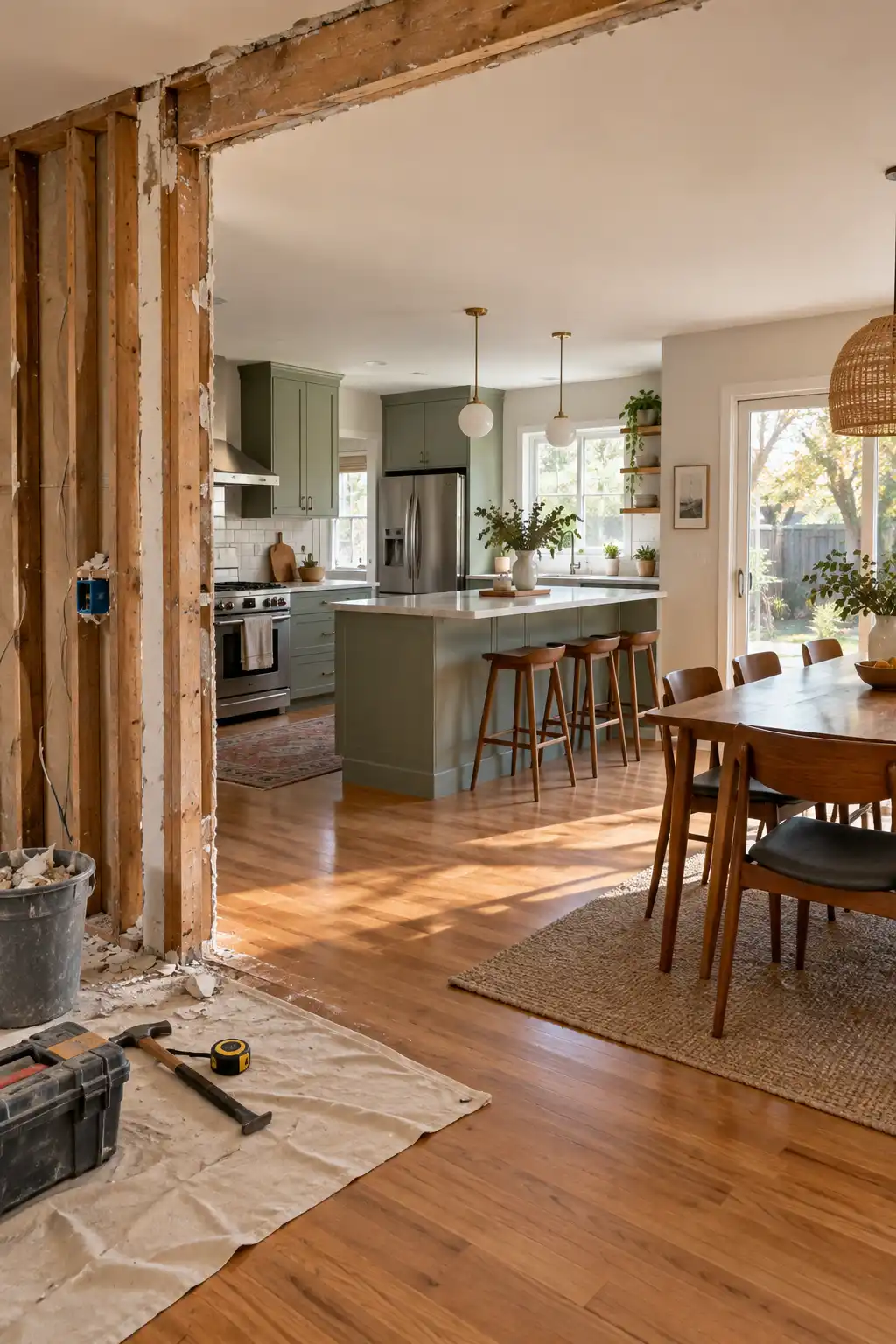
A fresh coat of paint on tired cabinets doesn’t fool anyone walking through with a critical eye. What actually reads as a real renovation is a layout that removes a bottleneck, like widening the gap between the sink and the stove, or removing a half wall that blocked the path to the dining room.
This is the change appraisers and buyers notice even when they can’t name it. It’s why two kitchens with nearly identical cabinets and countertops can feel completely different to stand in, one cramped, one easy to move through.
If your budget only stretches far enough for one structural change, put it here before spending anything on finishes.
Sink, stove, and fridge boxed in by a half wall that forces two people to take turns cooking.
Same footprint, one wall removed. Three people can move through the space without bumping elbows.
2. Which Materials Earn Back Their Price, and Which Just Look Expensive
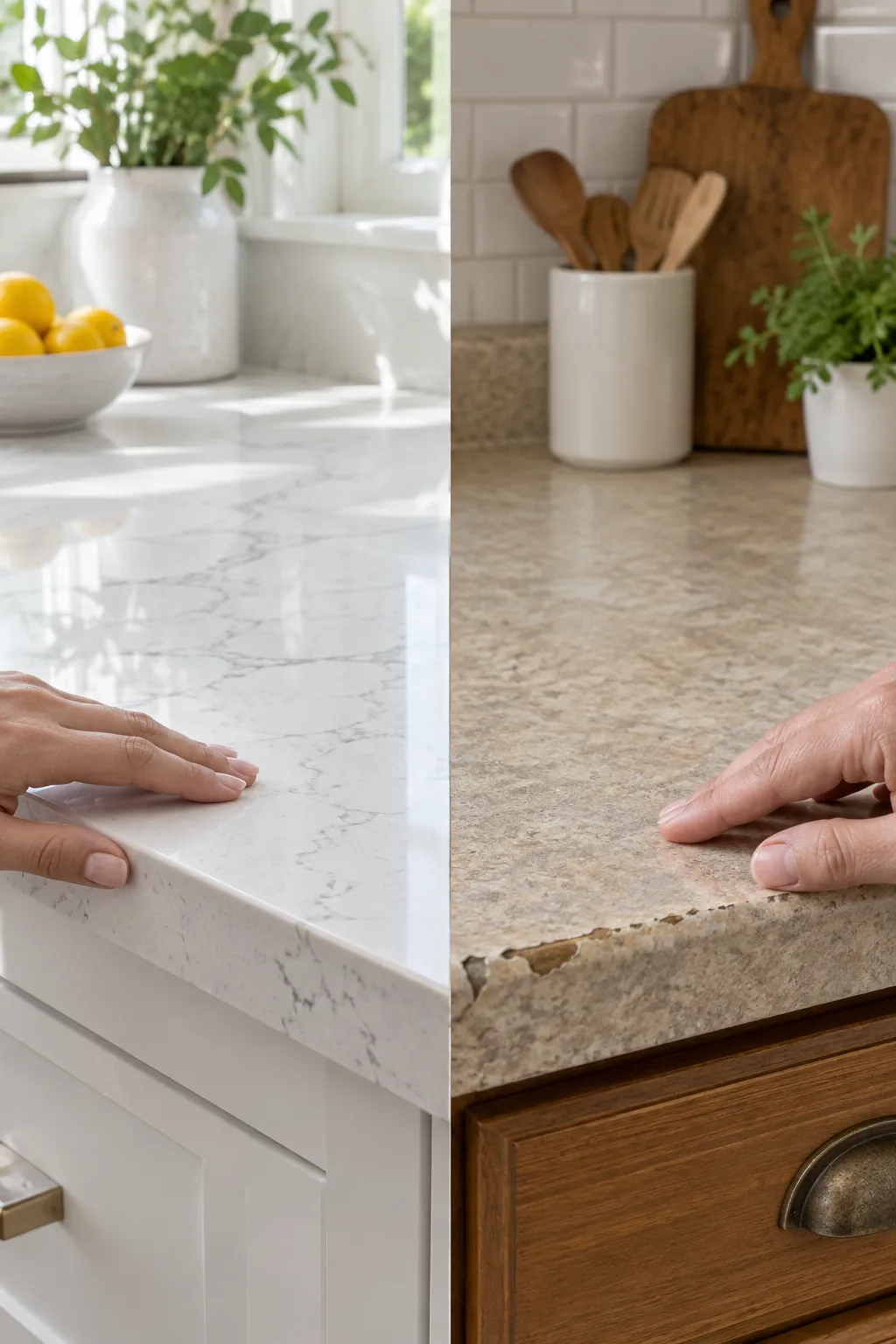
Quartz countertops and solid wood cabinet boxes cost more upfront, and they’re also the two upgrades that hold their value longest because they resist chipping, warping, and general daily abuse. Laminate counters and MDF cabinet fronts save money right now, but many need replacing within five to eight years once moisture and heat catch up with them, which quietly erases whatever you saved.
The rule that holds up across most kitchens: spend more on anything your hands touch every day, and save on anything that’s mostly decorative, like a backsplash pattern or cabinet pulls. A contractor can usually tell you which materials in your specific kitchen will take the heaviest use, and that’s worth asking before you finalize a quote.
| Quartz & Solid Wood | Laminate & MDF |
|---|---|
| Higher cost upfront, holds up 15+ years. | Lower cost upfront, often replaced in 5 to 8 years. |
| Resists daily wear, heat, and moisture. | Chips, swells, and dulls with regular use. |
3. Where a Kitchen Renovation Budget Actually Pays You Back
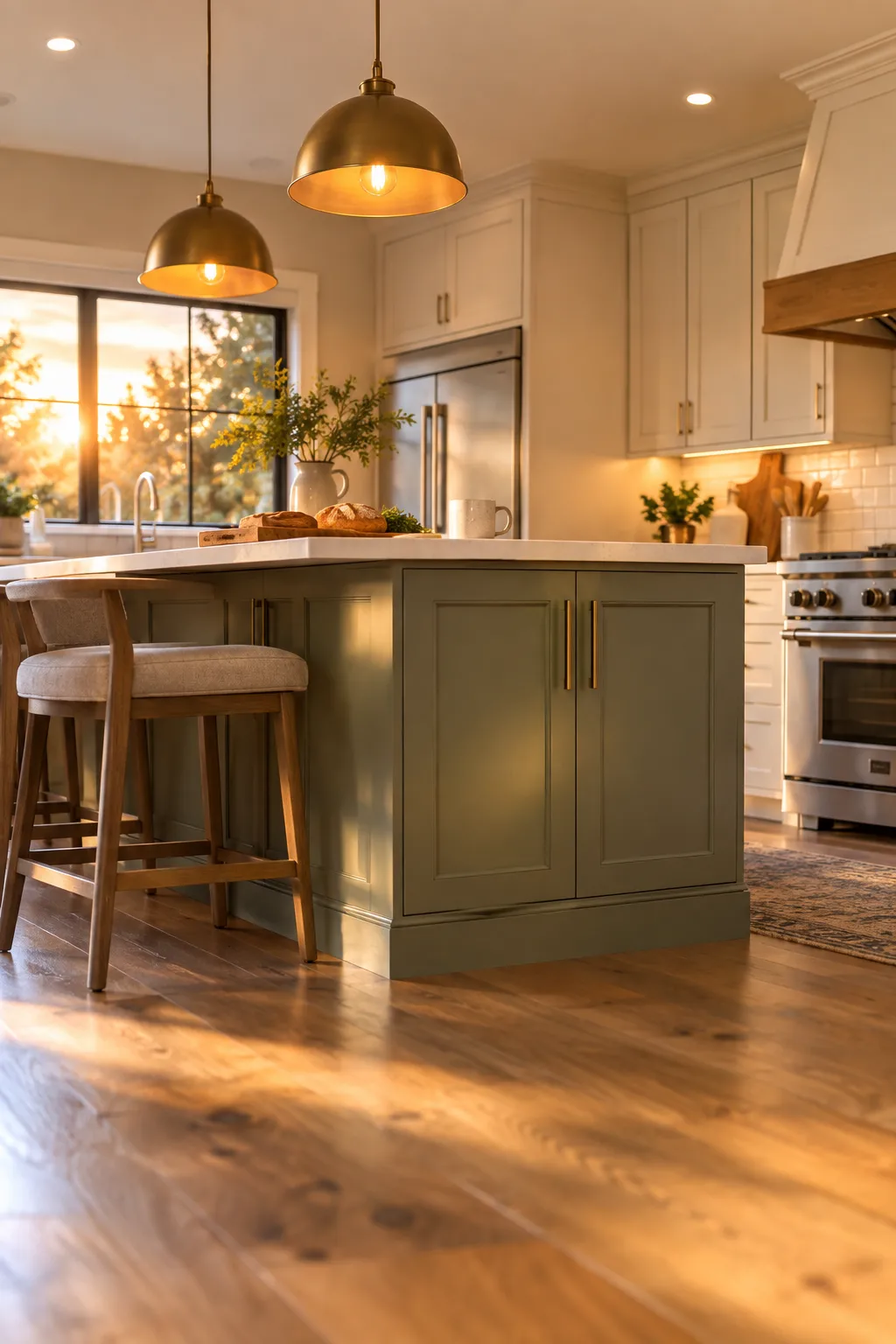
Not every dollar in a kitchen renovation returns the same value. Cabinet updates and better lighting consistently do the most work, because they change how the entire room looks and functions every single day. Flooring, hardware, and paint matter too, but they support the big two rather than replacing them.
If the budget gets tight partway through, this is the order that protects the renovation’s overall value: cabinets and lighting first, then flooring, then the smaller finishing touches.
Spend your first money on whatever people notice within three seconds of walking through the door.
4. The Hidden Cost That Turns a Smart Renovation Into a Money Pit
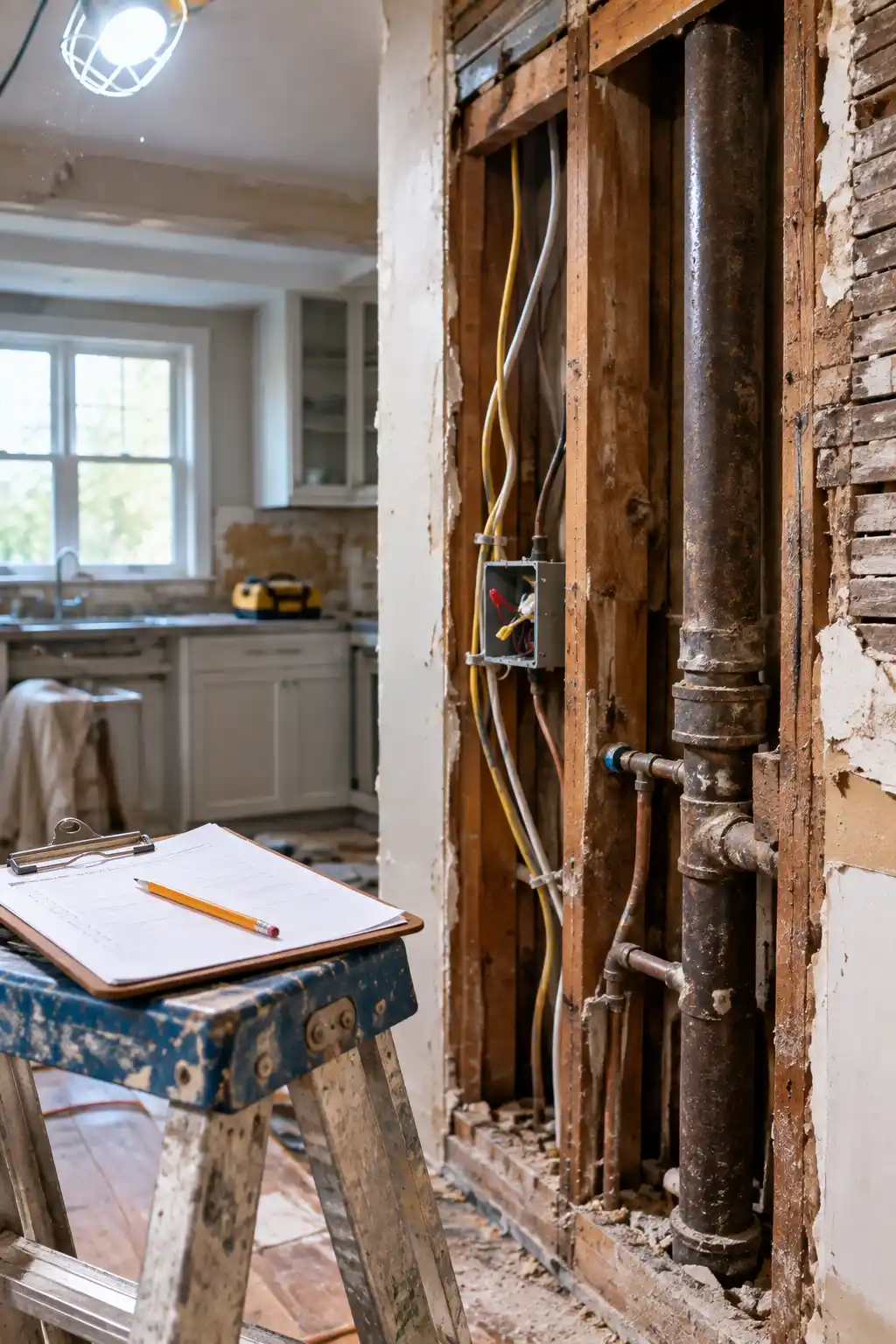

The quote for cabinets and countertops rarely includes what’s hiding behind the walls. Old wiring, outdated plumbing, or a subfloor that needs leveling can add thousands to a project once demolition starts and the contractor sees what’s actually there instead of what the listing photos suggested.
Ask for a contingency line before you sign anything, not after the walls are already open and there’s no easy way back. Kitchens built before the 1990s are especially likely to have at least one of these surprises waiting.
A renovation that stays worth it is one where the surprises are already priced in, not discovered halfway through.
Watch Out
Budget an extra 10 to 15 percent for what’s behind old walls and floors. Skipping this is the most common reason renovations go over budget.
5. The Trend Trap That Makes a Renovation Feel Outdated in Five Years
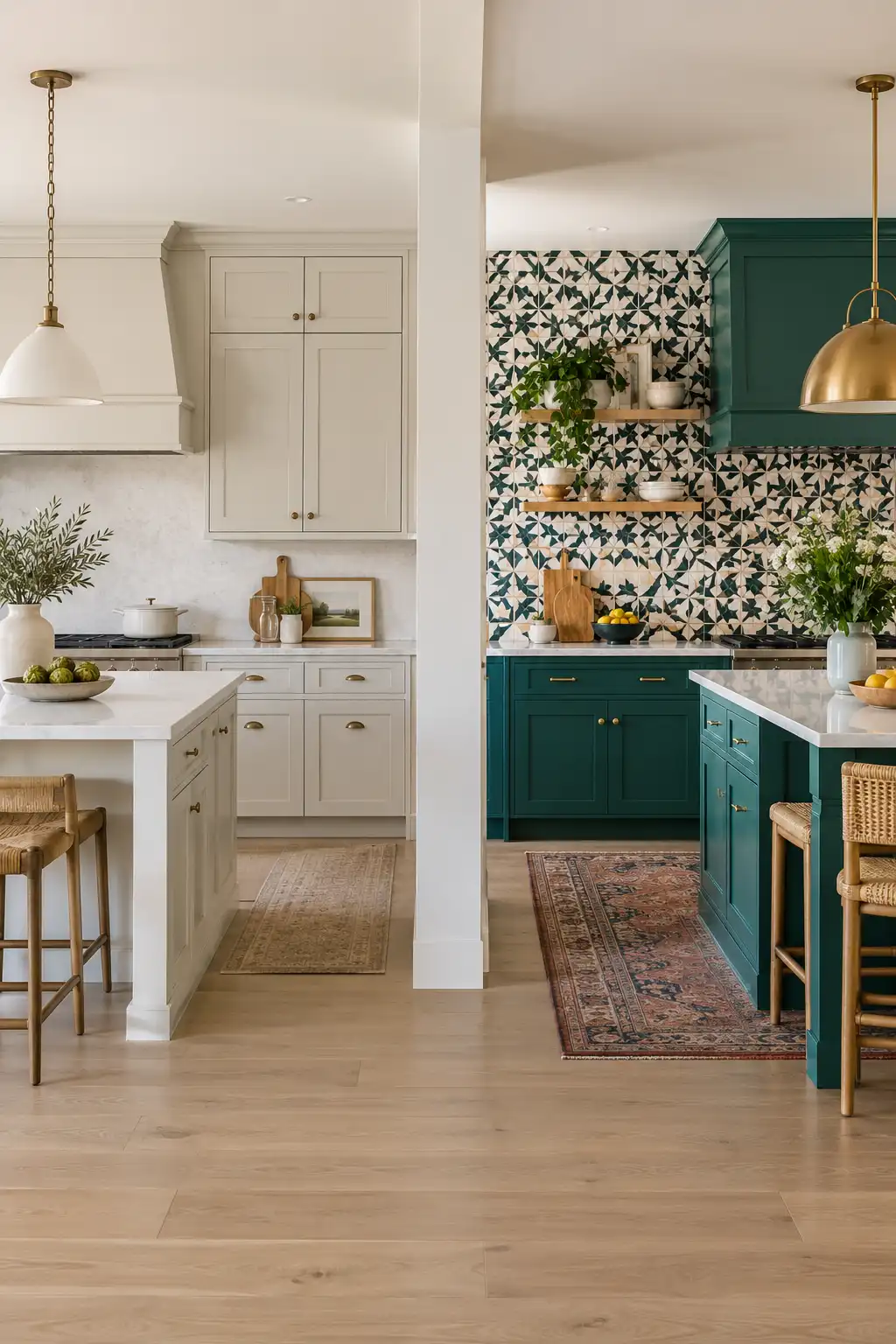
Bold accent walls and trend-driven tile patterns photograph well right now and tend to age badly within a few years. The kitchens that still look good a decade later lean on simple lines, neutral bases, and one or two details that are easy to swap later, like hardware, a light fixture, or a runner rug.
Save the personality for the parts that are cheap and quick to change. Keep the expensive, permanent choices- cabinets, counters, and flooring- calm and neutral so the room doesn’t feel dated the moment the next design trend takes over.
Choose neutral cabinet colors and classic tile shapes.
Save bold choices for hardware, paint, or decor.
Full wall statement tile in a trend color.
Cabinet colors picked straight from this year’s trend list.
Conclusion
A kitchen renovation earns its cost back when the decisions behind it are boring in the best way: a smarter layout, materials that survive daily use, spending order that protects what matters most, a contingency for what’s hiding behind the walls, and a look calm enough to still feel right in five years. None of that requires a bigger budget, just a different order of priorities.
Save this list before you start pulling quotes, so you know exactly where a kitchen renovation actually pays you back.