

Employee comfort influences how teams think, move, and work throughout the day. Companies that focus on comfort create more reliable workflows, fewer distractions, and stronger overall performance. Thoughtful design decisions shape daily routines, support employee well-being, and strengthen long-term outcomes for the business. Comfort is not an extra benefit. It is a core operational requirement that affects productivity, focus, and satisfaction.
The connection between comfort and daily productivity
Productive environments allow employees to work without unnecessary friction. When comfort is built into the layout, employees move through tasks smoothly, access what they need quickly, and stay focused for longer periods. Poorly designed spaces introduce small interruptions that build into major inefficiencies. Employees lose time navigating awkward layouts or dealing with preventable discomfort, and performance suffers as a result.
Comfort-based design removes pressure points in the workday. Employees remain more consistent when their environment supports their natural patterns and physical needs. Simple decisions such as workstation spacing, equipment placement, and clear circulation routes help teams complete tasks with less effort and greater accuracy. Companies that prioritize comfort create environments where work flows naturally rather than forcing employees to adapt to inefficient conditions.
Why comfort-driven design improves workplace satisfaction
Employees feel more valued when design choices consider their everyday needs. Comfortable environments allow people to settle into routines without constant irritation or stress. This improves morale and supports stronger engagement across the workforce. When comfort is missing, frustrations accumulate, affecting both performance and interpersonal dynamics.
Satisfied employees contribute to more stable teams. They remain attentive, responsive, and motivated when their environment aligns with their expectations for quality and reliability. Thoughtful design communicates respect for their time and effort, which helps reinforce a stronger workplace culture. Over time, satisfied employees are more likely to remain with the company, reducing turnover costs and preserving institutional knowledge.
Strategic design choices that support comfort
Design decisions must account for lighting, acoustics, temperature, circulation, and material selection. Lighting influences focus and energy, while sound control prevents distractions that undermine deep work. Temperature regulation ensures consistent comfort throughout the year, supporting clear thinking and a balanced work rhythm.
Circulation planning is equally important. Employees need freedom to move without encountering persistent bottlenecks or overcrowded pathways. Logical layouts reduce stress and help employees complete tasks efficiently. Durable materials strengthen comfort by creating dependable surfaces that remain steady under heavy use. Each of these elements supports both immediate comfort and long-term performance.
The importance of private and semi-private spaces
Comfort does not depend only on open work areas. Employees also need access to quiet zones where they can focus without distraction. These zones should be designed to support concentration and reduce interruptions. Balanced environments include both collaborative spaces and areas reserved for deep, uninterrupted work.
Shared areas must remain comfortable as well. Overly open layouts increase noise and reduce privacy, creating stress during busy periods. Thoughtful design creates harmony between open and private zones, allowing employees to shift between collaboration and individual focus as tasks require. This balance promotes steady performance and prevents fatigue associated with constant interruption.
How facility elements influence comfort and performance
Specific elements in a facility influence the daily employee experience in direct ways. Temperature control, airflow, spacing, and surface reliability determine how employees feel over long periods of work. These factors affect physical comfort, energy levels, and mental focus.
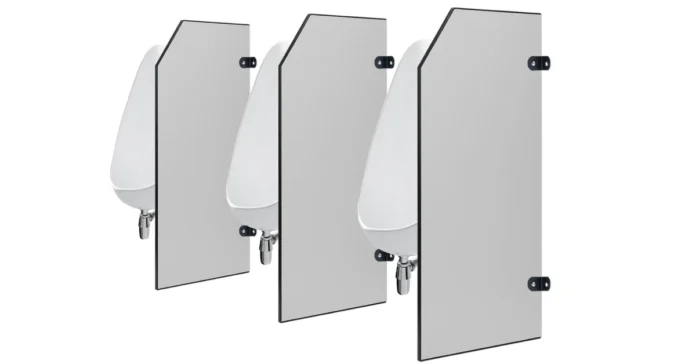
Even targeted improvements in smaller functional areas contribute to a more comfortable environment. Thoughtful upgrades, including high-quality urinal partitions, show strategic choices that create dependable and comfortable spaces that support daily routines. Employees notice when environments feel considered and well-managed, and this consistency strengthens their confidence in the workplace.
Design choices that reduce workplace fatigue
Fatigue develops when environments ask employees to work harder than necessary. Poor ergonomics, inefficient layouts, and repetitive strain contribute to declining performance over time. Smart design reduces these issues by aligning physical setups with human needs.
Ergonomic work areas support posture and reduce strain during long periods at a desk or workstation. Logical placement of frequently used tools and resources prevents excessive walking or repetitive movements. When spaces are structured around comfort, employee energy lasts longer throughout the day, and overall performance improves. Fatigue reduction is a major benefit of design decisions guided by practical comfort principles.
The role of inclusive and accessible design
Comfort must extend to every employee. Inclusive design ensures that the workplace supports individuals with diverse abilities, preferences, and physical needs. Accessibility is a foundational part of comfort rather than an optional feature. Thoughtful layouts promote equity by ensuring that all employees move comfortably and safely through the space.
Accessible environments also improve operational flow. When pathways, fixtures, and functional areas accommodate everyone, teams experience fewer disruptions and more predictable routines. Inclusive design supports a unified workplace where each employee can perform effectively without unnecessary obstacles.
How comfort-focused design helps companies grow
Comfort supports performance, retention, and long-term productivity. Employees who feel supported work with more consistency and contribute to stronger results. Companies benefit from lower turnover, better morale, and improved collaboration. These advantages directly influence growth because teams operate more efficiently and adapt more quickly.
Comfort-focused environments also scale more effectively. When design decisions support daily working needs, companies expand without disrupting established routines. This stability is especially important as businesses add new equipment, roles, or workflows. Environments built around comfort remain adaptable and durable, reducing the need for constant reconfiguration.
Practical steps for businesses updating design decisions
Effective updates begin with observation. Companies must study traffic patterns, workflow challenges, and daily routines to identify areas that disrupt comfort. Feedback from employees provides further insight into problems that may not be immediately visible. With this information, decision makers prioritize upgrades that offer the strongest impact.
Evaluating materials, layouts, and circulation patterns ensures that improvements align with long-term operational goals. Collaboration with planners and suppliers helps refine decisions and ensure durable outcomes. Continuous review maintains alignment between comfort needs and evolving business demands. Companies that assess their spaces regularly maintain environments that support steady performance and employee well-being.
Conclusion
Employee comfort should guide every design decision because comfort shapes daily performance, satisfaction, and long-term productivity. When companies create environments that support physical and mental well-being, employees work with greater focus and consistency. Strategic design choices strengthen morale, reduce fatigue, and improve operational flow, helping businesses build reliable teams and achieve stronger results.

