


Ever picked up a finished piece that technically works, yet still feels unresolved, like someone stopped caring a moment too soon?
That feeling usually shows up after you’ve been making jewellery for a while. Early on, finishing means stopping. Later, finishing means resolving. You start to notice that customers respond not just to the piece, but to how it arrives in their hands, how it behaves when worn, and how much friction sits around the experience. None of this is dramatic. It’s subtle. And that’s why it matters.
When The Work Stops but the Judgement Begins
From the maker’s side, jewellery is finished the moment the tools are put away. Everything holds, nothing needs fixing, and the work feels complete. For the person receiving it, that’s when judgment begins. They take in how it’s handled, how it’s stored, how it’s given to them. It all merges into one impression.
This is where good pieces sometimes fall flat. Not because they’re poorly made, but because the last step feels rushed. A chain arrives tangled. Earrings knock together in a box. Nothing is technically wrong, yet confidence slips. People rarely explain it. They just hesitate.
Packaging As Part of the Craft Process
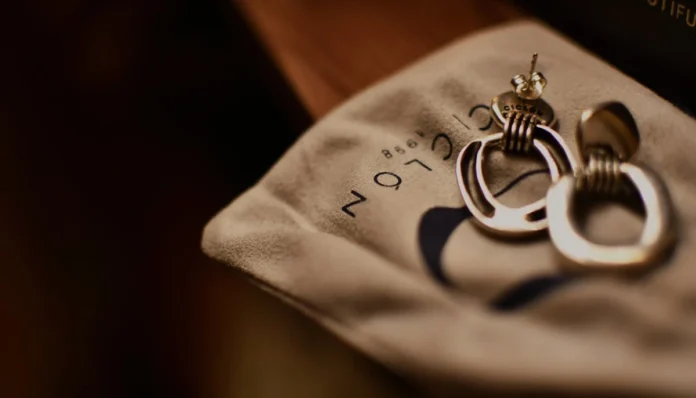
Once jewellery leaves your workspace, it still carries your decisions. The way it’s protected and presented shapes how finished it feels, even before it’s worn. Customers register whether a piece feels cared for and easy to handle, and whether the final moment feels considered. This isn’t about luxury or branding language. It’s about giving the jewellery a clean exit from your hands and a calm entry into someone else’s life. When packaging is awkward, it interrupts that moment.
That’s why many makers settle on simple, consistent packing options like jewellery gift bags from The Bead Shop. The right packing not only adds drama, but also removes problems. They help jewellery arrive untangled, contained, and clearly finished, without asking the customer to manage the last step themselves.
The Parts Customers Live With, Not Photograph
In the jewellery itself, the smallest parts often do the most work. Clasps, hooks, jump rings, and edges are handled far more than stones or beads. A clasp that sticks or pinches can turn a favourite piece into something rarely worn. A rough edge catches skin or fabric and slowly annoys the wearer.
These details don’t show up well online. They’re not the reason someone clicks “buy.” But they’re the reason someone comes back, or doesn’t. Over time, experienced makers learn to spend more effort here, even if it feels invisible. Finished jewellery behaves well in real life, not just under good lighting.
Consistency Creates Calm
Another detail that quietly affects how finished jewellery feels is consistency. Not uniformity, but a sense that choices repeat on purpose. The same type of earring backs. Similar clasps across a range. Packaging that doesn’t change randomly between orders.
Customers notice this more than they realise. In a world where everything feels slightly chaotic, consistency creates ease. It tells people what to expect. For small businesses, this matters. It builds trust without explanation. When things vary too much, customers feel like they’re taking a small risk each time, even if the jewellery itself is good.
Instructions That Don’t Talk Too Much
Handmade jewellery often needs care, but not a lecture. A short note can do a lot. Whether something shouldn’t get wet. Whether tarnish is normal. Whether storage matters. The trick is saying just enough.
Too little information leaves customers guessing. Too much makes the piece feel fragile or fussy. A calm, plain explanation suggests confidence. It tells the customer you’ve thought about the life of the jewellery beyond the sale, and that you expect it to be worn, not just admired.
Effort Is Felt, Even When It’s Quiet
People are good at sensing effort. They notice when jewellery arrives neatly placed instead of loose. When opening a package feels calm instead of fiddly. When nothing snags, tangles, or surprises them in a bad way.
They don’t usually comment on these things. They just feel more comfortable. That comfort shows up later, in how often the piece is worn, or whether your name is mentioned when someone asks where it came from. Finished jewellery doesn’t demand attention. It settles in.
Moving From Hobby Thinking to Business Thinking
Many jewellery makers begin as hobbyists, and some of that mindset lingers. Hobby thinking stops at the piece. Business thinking includes what happens after. Nothing is wrong with either, but the shift matters. When makers consider how jewellery enters and leaves someone’s day, the work feels heavier, more settled. Customers sense it and call it professional, even if they can’t explain why.
Letting The Work End Cleanly
A finished piece of jewellery should feel resolved. Not flashy. Not overworked. Just settled. The small details handle that resolution. They close the loop between maker and wearer without calling attention to themselves.
Most of these details are easy to delay. Easy to overlook. But over time, they shape how your work is judged, remembered, and trusted. Not because they add something extra, but because they remove friction. When the friction is gone, the jewellery can finally stand on its own, and the work feels finished in a way that lasts beyond the moment it leaves your hands.