


The global hygiene market has shifted: choosing an OEM partner based solely on the lowest quote is over. Upfront pricing means nothing if a factory cannot guarantee cost stability or delivery during a crisis. For growing diaper brands, long-term profitability is dictated entirely by supply chain resilience.
In late May 2026, international supply chains faced sudden shockwaves. Latest authoritative news reports confirmed that just hours after the U.S. and Iran “reached a broad consensus” on a temporary ceasefire, Middle Eastern stability fractured. Iranian armed forces launched sudden missile strikes on May 28, elevating regional tensions and underscoring the extreme fragility of diplomatic agreements.
This disruption is a direct threat to raw material pipelines. Core diaper components—including SAP and non-woven fabrics—are petroleum derivatives. When geopolitical conflicts cause crude oil markets to fluctuate overnight, diaper brands face a dual crisis: a catastrophic cannibalisation of retail margins by soaring material costs, or severe out-of-stock scenarios.
The Scale Advantage: Tianzheng’s Safe Harbor
Partnering with an industry leader backed by massive production scale transforms a brand’s supply chain from a vulnerability into a defensive fortress.
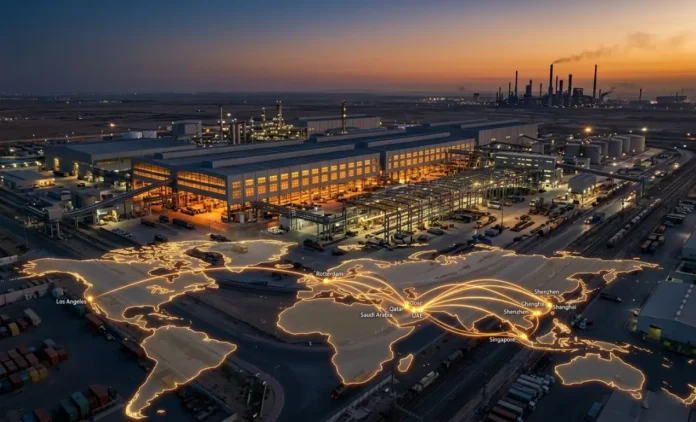
Tianzheng Diaper stands as a prime example of scale-driven resilience. Bolstered by over 22 years of hygiene manufacturing experience, Tianzheng operates state-of-the-art production facilities, including our newest advanced diaper manufacturing base, Specializing in premium baby diapers, adult incontinence solutions, and feminine care. What truly sets Tianzheng apart is its robust dual-engine market presence:
$150 Million Domestic Scale: Tianzheng operates more than 10 proprietary brands within China, generating an aggregate annual domestic sales volume exceeding $150 million.
$20 Million Overseas Diaper Orders: Simultaneously, Tianzheng maintains a powerful global footprint, holding an active $20 million in total order volume exclusively from overseas private label diaper brands.
This massive combined purchasing volume—approaching $170 million annually—gives Tianzheng immense negotiating leverage with top-tier global chemical and raw material suppliers. Market scale dictates bargaining power. While this geopolitical crisis will eventually pass, our current bargaining leverage ensures that upstream suppliers are fully willing to support us with stable costs. In turn, we choose to extend this vital support to our long-term overseas partners, shielding them from market spikes.
Mature Upstream & Downstream Supply Chain
Tianzheng’s resilience is anchored by a deeply mature end-to-end ecosystem. We don’t just source materials; we control a highly integrated supply network that secures every layer of your product:
Core Raw Materials: Direct strategic alliances with global giants for premium SAP, fluff pulp, and advanced non-wovens ensure continuous allocation.
Internal & External Packaging: Seamlessly integrated packaging supply chains protect against lead-time delays and buffer your brand from Localized packaging cost spikes.
Furthermore, Tianzheng’s strategic partnerships guarantee Priority Material Allocation. While smaller factories wait weeks for shipments, Tianzheng’s production lines remain running 24/7, securing seamless supply continuity for global retailers.
Moving through 2026, the optimal choice for a diaper brand is a strategic partner capable of erecting an ironclad firewall around your inventory and costs during a global crisis. Backed by a near-$170M purchasing lever and an end-to-end mature supply chain, Tianzheng supplies predictability in an unpredictable world.
Contact: Tianzheng Global Supply Chain & Procurement Division