
Heating and cooling systems are something most homeowners only think about when they stop working. But by the time your HVAC system breaks down, the repair bill is usually much higher than expected. The smarter approach is simple: preventive care.
Preventive HVAC maintenance is not just a routine task—it is a cost-saving strategy. Regular inspections, cleaning, and tune-ups help your system run efficiently, reduce unexpected breakdowns, and extend equipment lifespan. In short, small maintenance today prevents expensive repairs tomorrow.
Catching Small Problems Early
One of the biggest financial benefits of preventive maintenance is early problem detection. HVAC systems are made up of many interconnected parts, and when one component starts to fail, it often puts stress on others.
For example:
- A worn-out belt can lead to motor damage
- A clogged filter can reduce airflow and strain the compressor
- Low refrigerant levels can cause overheating and system failure
During routine inspections, technicians can identify these small issues before they turn into major repairs. Fixing a minor part is always cheaper than replacing a major system component.
Reducing Emergency Repair Costs
Emergency HVAC breakdowns are expensive. Not only do you pay for urgent service, but you may also face higher labor charges, after-hours fees, and rushed part replacements.
Preventive maintenance reduces the risk of sudden system failure. When your system is regularly checked and tuned, it is far less likely to break down during peak heating or cooling seasons when it is under the most stress.
Instead of paying for emergency repairs on a hot summer night or freezing winter morning, you can plan maintenance on your schedule at a much lower cost.
Improving System Efficiency
A poorly maintained HVAC system has to work harder to heat or cool your home. This extra strain increases energy usage and accelerates wear and tear on components.
Simple maintenance tasks such as:
- Cleaning coils
- Replacing air filters
- Checking refrigerant levels
- Inspecting ductwork
can significantly improve efficiency. When your system runs smoothly, it uses less energy and puts less stress on internal parts.
Over time, this not only reduces repair costs but also lowers monthly utility bills.
Extending Equipment Lifespan
HVAC systems are a major investment, and replacing them can be costly. Preventive maintenance helps homeowners get the most out of their system before replacement becomes necessary.
A well-maintained system can last several years longer than a neglected one. This is because regular servicing prevents wear and tear from building up over time.
Instead of replacing your HVAC unit prematurely, maintenance allows you to maximize its lifespan and delay large replacement expenses.
Preventing Major Component Failures
Some HVAC repairs are minor, but others can be extremely expensive. Compressor failure, motor burnout, or refrigerant leaks can cost hundreds or even thousands of dollars to fix.
These major failures are often preventable. Regular inspections help ensure that components are operating within safe limits. Technicians can spot overheating, pressure issues, or electrical problems early.
By addressing these warning signs quickly, homeowners avoid catastrophic system failures that require expensive replacements.
Better Indoor Air Quality Reduces System Strain
Dirty systems do not just affect performance—they also affect air quality. Dust, debris, and allergens can accumulate inside HVAC units and ductwork over time.
When airflow is restricted, the system has to work harder to push air through the home. This extra strain increases wear on fans, motors, and filters.
Regular maintenance keeps the system clean, improving airflow and reducing unnecessary stress on mechanical parts. A cleaner system lasts longer and requires fewer repairs.
Lower Long-Term Ownership Costs
Many homeowners focus only on the upfront cost of maintenance, but preventive care is far cheaper than reactive repairs over time.
Think of it this way:
- Small annual maintenance costs are predictable
- Emergency repairs are unpredictable and often expensive
- System replacements are major financial hits
By investing in routine care, homeowners avoid unpredictable expenses and gain better control over their home maintenance budget.
Role of Professional HVAC Servicing
While some basic maintenance tasks can be done by homeowners, professional inspections are essential for long-term system health.
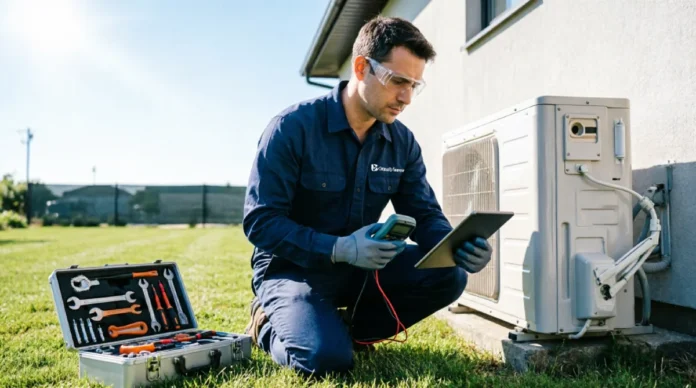
Professional technicians perform detailed checks that go beyond simple filter changes. They test electrical components, inspect refrigerant levels, clean internal parts, and ensure the system is operating safely and efficiently.
A regular hvac servicing appointment ensures your system is not only working but working correctly. That difference matters when it comes to preventing costly repairs.
Warning Signs You Should Not Ignore
Even with maintenance, it is important to recognize early warning signs of HVAC problems:
- Unusual noises from the unit
- Weak airflow in rooms
- Rising energy bills
- Inconsistent temperatures
- Frequent system cycling on and off
Ignoring these signs can lead to bigger issues. Scheduling maintenance at the first sign of trouble can prevent expensive damage.
Final Thoughts
Preventive HVAC maintenance is one of the most effective ways to reduce repair costs and protect your home comfort system. It helps catch problems early, improves efficiency, extends equipment life, and prevents expensive emergency breakdowns.
While it may seem like a small ongoing expense, the long-term savings are significant. A well-maintained system is not just more reliable—it is far more cost-effective.
In the end, regular care is far cheaper than major repairs, and it keeps your home comfortable all year without financial surprises.