
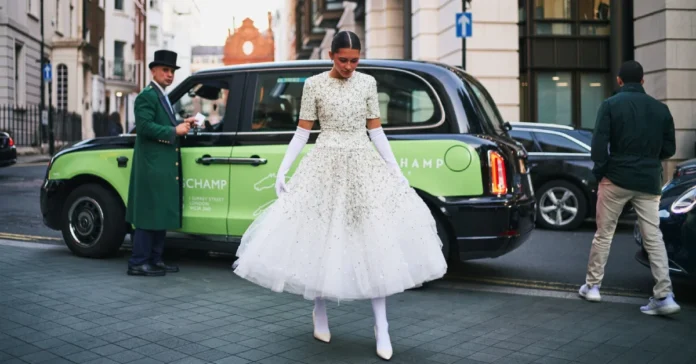

Dress codes get a lot of eye-rolling. People hear the word and picture clipboards, judgment, someone telling them they’re not dressed “right.” Feels like everyone’s watching the second you step in. Only it’s not really like that. At least not if the place knows what it’s doing. Most nights are quieter than people expect.
It’s About The Room, Not The Rules
No one’s standing there measuring hemlines. It’s more basic than that. Do you look like you belong in the room. Do you look like you read the situation. Going out in Central London, are you following the Scotch of St James dress code.
Dress codes just set the tone early. When everyone roughly gets it, the room settles faster. Conversations land easier. You don’t get that weird clash where half the space feels one way and the other half feels completely different.
It’s not about looking expensive. It’s about not feeling out of place.
The First Five Minutes Decide Everything
You usually know straight away if a room works. You walk in, clock the lighting, the noise, the crowd. What people wear matters more than anyone admits. When the room’s visually in sync, tension drops. You stop scanning the space, stop trying to prove anything, and you actually sit down and relax.
Those first few minutes matter. If they’re off, the rest of the night never quite catches up.
It Keeps Things From Sliding Sideways
One misstep, one mismatch, and the energy shifts. A few people who didn’t read the room is all it takes. Voices get louder. Phones come out. People stop paying attention to where they are. When a space loses its tone, it’s beyond saving. Doesn’t take much to tip it.
Dress codes are a quiet way of preventing that. Not perfectly, but enough to keep things steady. They filter just enough without making it a whole thing.
People Act Better When They Feel Right
There’s a personal side to it too, that nobody really talks about. Feeling right in what you wear changes everything. You move differently, talk differently, even listen differently.
Less adjusting. Less checking mirrors. Less disappearing every ten minutes to fix something. They stay present. That changes the flow of the whole room.
Dress codes push people to think ahead, even slightly, and that alone helps.
London Still Runs On Context
London’s relaxed, but it’s not careless. Context still matters here.
Premium venues are built around a certain pace. A certain crowd. A certain type of evening. Dress codes are just a signal of that. They tell you what kind of night this is before anything else happens.
You’re not being told who to be. You’re being told what kind of room you’re walking into.
And when that lands, the night runs smoother. Calmer. Easier to enjoy. You leave feeling like it clicked, even if you can’t explain why. That’s usually when you know it worked.