
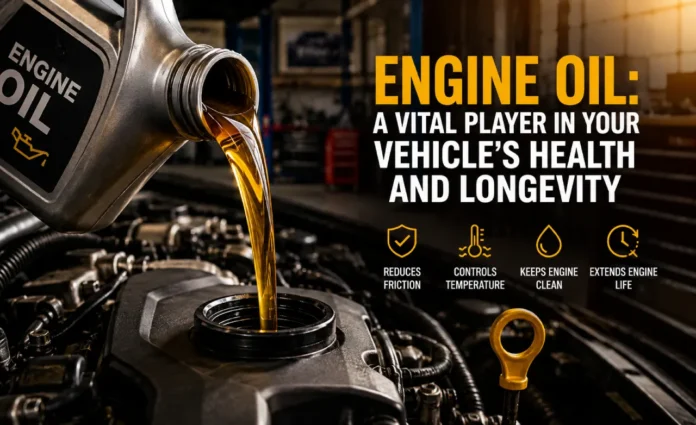

A vehicle speaks, even when it never says a word. It hums on a smooth morning commute. It groans on a freezing winter start. It sighs in traffic. And sometimes, when maintenance has been ignored for too long, it cries out in expensive, heartbreaking ways. At the center of that quiet conversation is one unsung hero: engine oil.
Most drivers think about fuel, tires, and maybe brakes. Yet the fluid that keeps the engine alive often gets pushed aside until a warning light flashes or a mechanic delivers bad news. That delay can cost you far more than money. It can cost you reliability, peace of mind, and years of healthy performance from your vehicle.
This guide walks you through why engine oil matters so much, how it protects your car every single day, and why choosing the right type can make a meaningful difference in your vehicle’s life.
Why Engine Oil Matters More Than Many Drivers Realize
Inside your engine, metal parts move at astonishing speed. They rub, spin, pump, and fire in a tightly controlled dance. Without proper lubrication, that dance turns violent. Friction builds. Heat rises. Components begin to wear down faster than they should.
That is where engine oil earns its reputation. It creates a protective film between moving parts, reducing wear and helping your engine operate with less resistance. It also helps carry heat away from critical areas, traps contaminants, and supports cleaner operation overall.
Think of it this way: your engine is not simply a machine. It is the beating heart of your vehicle. And oil is the lifeblood moving through it, keeping everything calm, cool, and protected.
The Core Jobs It Performs Every Day
Good motor oil does far more than “make things slippery.” It performs several essential tasks at once:
- Lubricates moving engine parts
- Reduces friction and wear
- Helps control engine temperature
- Cleans away sludge and deposits
- Protects against rust and corrosion
- Supports fuel efficiency
- Extends engine lifespan
That list may sound technical, but the real impact is deeply personal. A well-protected engine means fewer surprises on the road. It means more confidence during family trips, daily commutes, and late-night drives home when you just need your car to work.
How Dirty or Low Oil Can Quietly Damage an Engine
Oil does not stay fresh forever. Over time, it breaks down. It collects debris. It loses viscosity. And when levels drop too low, the results can be serious.
At first, the signs may be subtle. Your engine may sound rougher. You may notice sluggish acceleration. The vehicle might run hotter than usual. Then the wear begins to increase, often silently, until one day a small problem becomes a major repair bill.
That word, increase, can feel harmless until it lands in the wrong place. One driver once ignored a tiny rise in engine temperature because it seemed minor. A week later, that increase led to a repair that felt anything but small. It was one of those hard lessons many drivers remember for years: little warnings grow when they are left alone.
Choosing the Right Grade, Including 5w30 Engine Oil
Not every oil is right for every engine. Your manufacturer recommends a specific viscosity grade for a reason. That recommendation is based on how your engine was designed and how oil needs to flow under different temperatures.
One of the most commonly recommended options is 5w30 engine oil. This grade performs well in many conditions, offering reliable cold-start flow while still protecting the engine at normal operating temperatures. For many modern vehicles, 5w30 engine oil provides a balanced blend of efficiency, protection, and versatility.
Still, the owner’s manual should always be your first guide. Using the wrong oil can reduce performance, affect fuel economy, and in some cases contribute to premature engine wear.
When Warning Signs Appear, Pay Attention Early
Cars have a way of telling you when something is off, but only if you are willing to listen. Maybe the oil pressure light flickers. Maybe the engine sounds louder than normal. Maybe a burnt smell seems to appear after a long drive.
That word, appear, carries its own small lesson. A driver once noticed a stain appear under the car one quiet Sunday morning and almost brushed it off as water from the air conditioning. Thankfully, a second look revealed an oil leak. Catching it early prevented major engine damage. Sometimes what seems small is exactly what deserves your attention.
Common signs of oil-related trouble include:
- Oil warning light turning on
- Knocking or ticking engine sounds
- Dark, gritty oil on the dipstick
- Burning oil smell
- Smoke from the exhaust
- Reduced fuel efficiency
- Engine overheating
These signs should never be treated as background noise. They are your vehicle asking for help.
5w30 Engine Oil and Smart Maintenance Habits
Choosing the correct oil is only half the story. Timing matters too. Regular oil changes remain one of the simplest and most powerful ways to preserve engine health.
Driving conditions affect how often oil should be changed. Short trips, heavy traffic, dusty roads, extreme weather, and towing all place more stress on the oil. Even the best oil cannot protect forever if it is left in service too long.
Helpful habits include:
- Check oil levels regularly
- Follow the service interval in your owner’s manual
- Replace the oil filter with every oil change
- Watch for leaks under the vehicle
- Use the viscosity grade your manufacturer recommends
- Keep service records for future maintenance tracking
These steps are not complicated, yet they can save you from deeply frustrating breakdowns and painful repair costs.
A Strange but Memorable Lesson from Fumarolic Heat
There is an unusual word that captures the danger of heat in a vivid way: fumarolic. It brings to mind the smoky, venting heat of volcanic ground, harsh and restless. Once, during a road trip through a geothermal area, a traveler described the rising steam around the earth as almost fumarolic in character, eerie and beautiful at once. Later, while talking about vehicle care, that image returned: an overheated engine can move from calm to destructive with alarming speed. Heat, whether in nature or under a hood, demands respect.
That may sound dramatic, but engines live and die by temperature control. Oil plays a crucial role in helping that balance hold.
Protecting the Car That Protects You
Your car carries you through ordinary days and life-changing moments alike. It gets you to work interviews, family dinners, hospital visits, school pickups, vacations, and reunions. It stands ready in rain, darkness, cold, and heat. Taking care of its engine is not just a mechanical responsibility. It is a form of gratitude.
When you maintain your oil properly, you give your vehicle a better chance to serve you faithfully for years. You reduce stress. You protect your investment. And you avoid the kind of sudden failures that leave drivers stranded, frustrated, and wishing they had acted sooner.
A healthy engine rarely happens by accident. It is built through attention, consistency, and smart choices. Treat oil maintenance as a priority, not an afterthought, and your vehicle will reward you with smoother performance, stronger longevity, and a steadier road ahead.