
Want to learn how to grow your small farm into a thriving, sustainable business?
Every small farm owner envisions their farm becoming bigger someday. Who doesn’t? After all, bigger means:
- More profitable years
- Better soil and healthier crops
- Something amazing to pass down to the future generations
The issue?
Growing your farming business correctly isn’t easy.
There are over 3 million small farms in the United States today, making up 86% of all farms, according to the USDA. Yet most operations struggle to compete against larger farms.
If you don’t approach scaling correctly, achieving sustainable growth is almost impossible.
As daunting as it may sound, you CAN grow your farm sustainably by leveraging some proven strategies used by today’s top agricultural operations.
In this guide, we’re diving into what it takes to grow your farming business without sacrificing the land you care about.
What you’re going to learn:
- Why Sustainable Growth is Important for Small Farms
- Why Used Farm Equipment is Essential for Sustainable Growth
- 6 Steps to Grow Your Farm Business Without Sacrificing the Land
- How to Choose Used Equipment that Works Twice as Hard for You
Why Sustainable Growth is Important for Small Farms
Sustainable farming is the backbone of every successful farm operation.
If you want your farm to turn a profit year after year, you need to think long-term. And that requires prioritising sustainability.
Why do sustainable farms have better yields?
Healthy soil = healthier crops. Healthy crops = more money in your pocket.
Farmers who focus on sustainable practices understand this. That’s why the industry is growing every year.
With a value of over $21 billion in 2024, sustainable agriculture is only getting more popular.
More retailers are demanding responsibly sourced food, which creates tremendous opportunity for farmers who embrace sustainable practices.
However, growing your farm sustainably doesn’t just happen. You need to invest in certain areas to make it work.
The first place you should focus? Farm equipment.
Why Used Farm Equipment Is Essential for Sustainable Growth
When most small farmers think about scaling their operations, they think about buying more land.
But before you get too far into expansion, you should invest in your machinery.
Old, beat-up equipment is holding your farm operation back.
It takes longer to do jobs.
Your yield is probably lower than it could be.
And everything just costs more money when you run old machinery into the ground.
If you’re looking for grain drills for sale, second-hand planting and seeding equipment is a great place to start your sustainable growth.
Used farming equipment lets you gain efficiency at a lower price. High-quality used machinery works just as well as new equipment for a fraction of the cost.
This is perfect for small farms that don’t have the luxury of buying everything brand new.
New planting and seeding equipment ensures:
- Your seeds are placed at the optimal depth every time
- Seeds aren’t wasted
- Your soil makes contact with the seeds to promote growth
- Your rows are perfectly spaced
The result? Higher yields without increasing input costs.
6 Steps to Grow Your Farm Business Without Sacrificing the Land
Okay, now that we’ve got that out of the way. Let’s talk about how to actually grow your farm.
These are proven methods that real farmers are using to scale their operations without losing sight of what matters… the land.
1. Lead With Soil Health
This one should come as no surprise.
Your soil is your most valuable asset as a farmer. Without healthy soil, your farm can’t thrive for long.
There are a few ways to ensure you’re protecting your soil.
- Crop rotation is necessary to keep your soil rich in nutrients. It also helps prevent nasty diseases and infestations.
- Tillage should be your farm’s worst enemy. Tillage ruins the natural structure of your soil and dries it out. Learn how to farm without tillage.
- Plant cover crops in your off-season. They’ll keep nutrients in your soil year-round.
- Always test your soil and amend as needed.
The healthier your soil, the better your farm will perform year after year.
2. Purchase Quality Used Planting and Seeding Equipment
Buying used equipment was step 1. Here we’ll dive into how to make sure you’re buying the right used equipment.
New farm equipment is expensive.
Like, really expensive.
Instead of buying new (and going into debt), used planting and seeding equipment is a great alternative.
You still get quality machinery without the bank-breaking price tag.
The key is knowing where to look. Not all used equipment is created equal. Many dealers will try to sell you equipment that doesn’t run, hoping you won’t notice until it’s too late.
Find a dealer that has:
- A solid process for inspecting and servicing equipment before sale
- Detailed maintenance records you can review
- Farm equipment you can test drive before buying.
Good used equipment shouldn’t take long to pay for itself in saved time and labour.
3. Diversify Your Income
Putting all your eggs in one basket is never a good idea.
Sure, you might get lucky for a year or two. But what happens when crop prices plummet?
Having more than one source of income on your farm spreads the risk.
Here are some ideas to get you thinking.
- Plant an alternate crop that grows well in your area
- Make value-added products like jams, canned goods, pancake mix, flour, etc.
- Start an agritourism business
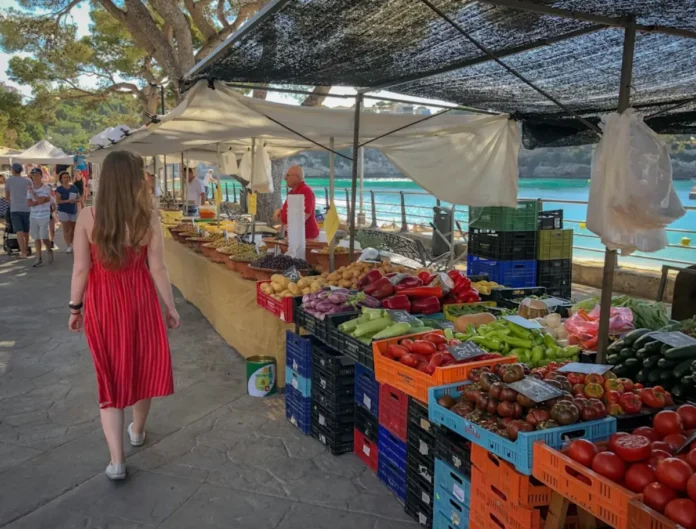
- Sell products directly to consumers through farm markets, community-supported agriculture (CSA), or online
4. Use Precision Agriculture Practices
If you haven’t heard, Ers are going high-tech.
Expectations are high for agriculture technology adoption in the coming years. According to a McKinsey survey, 90 percent of farmers say they’re aware of sustainable agriculture practices, but only some are adopting them.
GPS-guided farm equipment.
Soil sensors
Variable rate technology…
The list goes on.
Regardless of your farm size, there’s FarmTech out there that can help you become more efficient.
5. Find Reliable Suppliers & Build Strong Relationships
Do yourself a favour and find suppliers you can trust.
Whether that’s for seed, fertilizer, or equipment.
Strong supplier relationships can save you time and money. Many suppliers offer discounts to long-term customers and go out of their way to help you when you need it.
This goes for equipment dealers, too.
You should understand how to use your equipment and maintain it basic to prevent unnecessary repair bills.
But when something does break, or you need a new piece of equipment, you’ll want a dealer you can trust.
Farmers who spend the extra time building relationships with their equipment supplier often get first dibs on quality used equipment. Not to mention dealer support when things go wrong.
6. Think Long Term with Every Decision
I can’t stress this enough.
Far too many farms fail because farmers think about today without considering tomorrow.
Think about everything you do on your farm and how it will affect your operation in 5, 10, or 20 years.
This doesn’t just apply to purchasing equipment either.
- Don’t run your machinery into the ground. Take care of it, and it’ll take care of you.
- Focus on your soil health year-round, even if your budget is small.
- Don’t build structures you know will need to be replaced in a few years. Think long-term and spend the money upfront.
- Teach the next generation how to farm. Your kids, nephew, niece, and kids’ friends. Whoever.
You get the point.
One poor decision can set your farm operation back decades.
Wrapping Things Up
Farms today aren’t what they used to be. And that’s a good thing.
Small farms make up the majority of farms in the U.S. But they still face an uphill battle against larger corporate farming operations.
By using sustainable methods to grow your farm, you can create a business that competes with the big boys.
You’ll also create something that can be passed down for generations to come.
Here’s a quick recap:
- Lead with soil health
- Don’t buy new equipment, buy used
- Don’t rely on one income; diversify
- Leverage farm technology to become more efficient
- Build strong relationships with seed, fertilizer, and equipment suppliers
- Think long when every decision you make
Growing your small farm into a large operation takes time. Don’t try to tackle it all at once.
Pick one strategy from this article and master it. Then pick another and repeat the process.
That’s how you take a small holding and turn it into a thriving farm business.