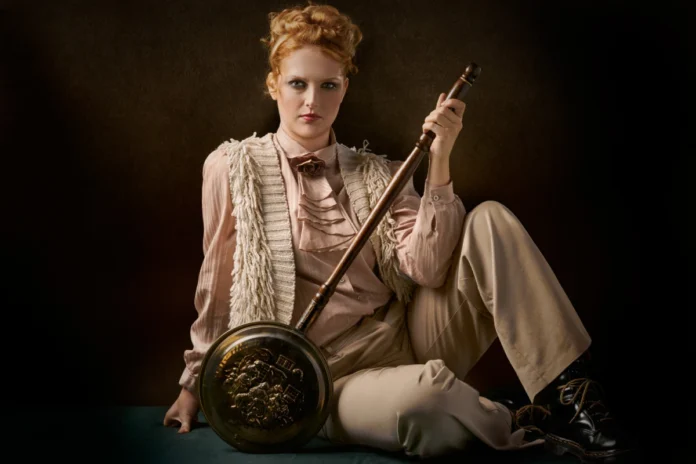

Fashion often acts as a mirror reflecting our cultural zeitgeist, values, and interests. In recent years, historical fashion has experienced a remarkable resurgence, making its way not just onto the grounds of Renaissance fairs but also into everyday wardrobes. The blend of fantasy and reality in historical attire offers a unique form of self-expression, and for many, it’s a delightful escape from contemporary fashion norms.
The Allure of Historical Fashion
Historical fashion captivates not only because of its distinct aesthetic but also due to the rich narratives it conveys. For example, garments inspired by the Renaissance period evoke tales of art, innovation, and cultural rebirth—an era infused with creativity and exploration. Wearing such attire allows individuals to connect with history on a personal level, making it an enriching experience.
While many gravitate toward these styles for themed events or theatrical performances, the trend doesn’t have to stay confined to special occasions. Modern interpretations of historical fashion can easily slip into our daily lives, providing a fusion of vitality and elegance that aligns with contemporary sensibilities.
Infusing Historical Elements into Everyday Wear
The key to successfully integrating historical influences into a modern wardrobe lies in balance. Here are a few strategies for incorporating pieces inspired by past centuries while maintaining a contemporary edge.
Select Versatile Pieces
The market is abundant with options that feature historical designs but are made from comfortable, modern fabrics. For instance, brands like Holy Clothing offer elegant pieces perfect for themed events, from flowing skirts to intricate blouses that can be styled to suit various occasions. Selecting versatile garments allows for a seamless transition from Renaissance fair to casual brunch or even a night out.
Consider investing in a tailored bodice paired with modern denim or a flowing medieval-style dress with ankle boots. This mixture creates an ensemble that pays homage to historical fashions while remaining functional and chic.
Layering with Modern Essentials
Layering is an age-old technique, but it becomes especially powerful when blending different styles. A contemporary cardigan or denim jacket can soften a more formal historical outfit, making it suitable for everyday wear.
For example, draping a classic, peasant-style blouse under a fitted blazer can create a sophisticated look that’s still rooted in history. This not only adds an element of comfort but also transforms the overall aesthetic into something that reflects both the past and the present.
Accessorizing Thoughtfully
Accessories hold the key to elevating any outfit, and they’re especially pivotal when adapting historical fashion. While bold jewelry and hairpieces can accentuate a historical look, mixing these with simple, modern accessories ensures that the outfit doesn’t feel costume-like.
- Headbands or Modern Hats: Consider wearing a sleek headband instead of a full-length veil. Alternatively, a contemporary fedora or wool hat can evoke a vintage vibe without feeling out of place.
- Footwear: Pairing knee-high boots or chic ankle boots with historical-inspired dresses can strike the perfect balance between comfort and style.
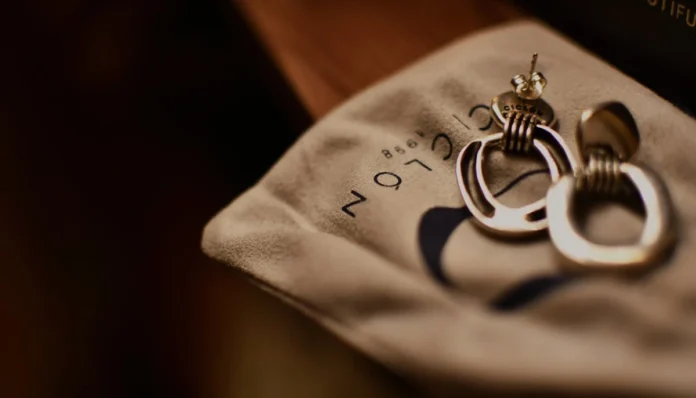
- Jewelry: Opt for understated pieces that might reference historical motifs, like intricate metalwork or gemstone settings, without overwhelming your overall look.
Outfits for Special Occasions
While many people are adopting historical fashion for daily wear, there remain specific occasions where these styles can shine even brighter. Renaissance fairs, themed galas, or festivals provide the perfect backdrop for indulging fully in historical aesthetics. Planning outfits for such events opens up avenues for creativity and personal expression.
Dressing for Renaissance Fairs
When preparing for a Renaissance fair, the emphasis often lies on authenticity and fun. Here are a few tips to consider:
- Research Historical Accuracy: If your interest leans towards authenticity, understanding the historical context of your attire helps in making informed choices. This doesn’t mean you must adhere strictly to period accuracy—after all, reinterpretation can be joyful in its own right.
- Comfort is Key: These events typically involve long hours of walking and engaging in various activities. Therefore, consider the fit and fabric choices that will keep you comfortable while still allowing you to express your style.
- Experiment with Layers: A flowing cloak or cape can elevate your outfit dramatically and can easily be removed for practicality.
Fashion Trends with Historical Roots
Interestingly, modern fashion frequently borrows from historical styles, affirming their timeless appeal. Designers like Alexander McQueen and Dolce & Gabbana have drawn inspiration from past eras, showcasing how these trends can seamlessly integrate with contemporary fashion.
For those who appreciate making bold statements, exploring runway styles might inspire new ways to wear historical looks. Think of high-fashion takes on corsets, ruffles, and flowing skirts—a celebration of the femininity and elegance that these historical garments embody.
Conclusion
The enchantment of historical fashion lies not only in its visual appeal but also in its profound ability to connect us to our rich cultural heritage. Whether you’re dressing for a themed event or simply want to bring a bit of the past into your daily attire, there are myriad ways to incorporate these styles into your wardrobe.
By selecting versatile, comfortable, and thoughtfully styled pieces, anyone can embrace the elegance of historical fashion, making it a part of their narrative. So why not take a cue from the past the next time you step into your closet? With creativity, you might just find that history and modernity can coexist beautifully, one outfit at a time.