
Winter in Lansdowne, PA, can be tough on homes, especially on plumbing systems. When temperatures drop, pipes are pushed to their limits, and even a small mistake or weak spot can lead to expensive water damage. Pipe bursts are one of the most common winter plumbing emergencies, but the good news is that most of them are preventable with the right precautions.
Why Pipes Burst in Winter
The main reason pipes burst in winter is simple: freezing water expands. When water inside a pipe freezes, it increases pressure from within. If that pressure has nowhere to go, the pipe cracks or completely bursts. This is especially common in older homes or plumbing systems that haven’t been upgraded in years.
In Lansdowne winters, sudden temperature drops make the problem worse. Pipes that are already exposed or poorly insulated can freeze overnight without warning.
1. Freezing Temperatures
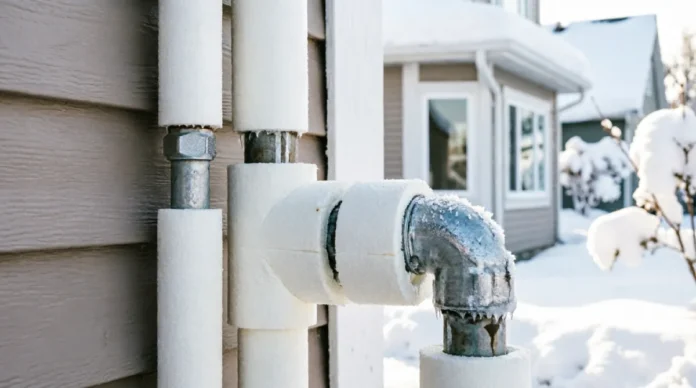
Freezing weather is the number one culprit. Pipes located in unheated areas like basements, attics, garages, and exterior walls are at the highest risk. Once the temperature falls below freezing, water inside these pipes can solidify quickly, leading to blockages and pressure buildup.
Even a few hours of extreme cold can be enough to cause damage.
2. Poor or Missing Insulation
Many homes in Lansdowne still rely on outdated or minimal pipe insulation. Without proper protection, cold air easily reaches plumbing lines.
Pipes that run along exterior walls or through unheated spaces are especially vulnerable. Insulation acts like a barrier, slowing heat loss and reducing the chance of freezing.
3. Old or Corroded Pipes
Aging plumbing systems are another major risk factor. Corrosion weakens pipe walls over time, making them less able to handle pressure changes caused by freezing water.
Older metal pipes are far more likely to fail compared to modern materials like PEX or copper.
4. Outdoor Faucets and Neglected Hoses
Something as simple as leaving a garden hose connected can cause serious damage. Water trapped inside the hose can freeze and push backward into the plumbing system, increasing pressure inside the indoor pipes.
Outdoor faucets that aren’t properly shut off or drained are also common sources of winter pipe bursts.
How to Prevent Pipe Bursts
Preventing pipe damage starts with preparation before temperatures drop:
- Insulate exposed pipes in unheated areas
- Seal cracks and gaps in walls and foundations
- Disconnect and drain outdoor hoses
- Keep indoor temperatures steady (even at night)
- Let faucets drip slightly during extreme cold
These small steps significantly reduce the risk of freezing and pressure buildup.
When to Call a Professional
If your pipes are already freezing or showing signs of stress—like reduced water flow, strange noises, or leaks—it’s time to act quickly. Delaying can turn a small issue into major flooding.
A trusted plumber in Lansdowne, PA can inspect your system, identify weak points, and prepare your plumbing for harsh winter conditions before damage occurs.
Final Thoughts
Pipe bursts during Lansdowne winters are common, but they are far from unavoidable. With proper insulation, routine maintenance, and a bit of preparation, homeowners can protect their plumbing systems from freezing temperatures.
Winter may be harsh, but your pipes don’t have to suffer for it.