
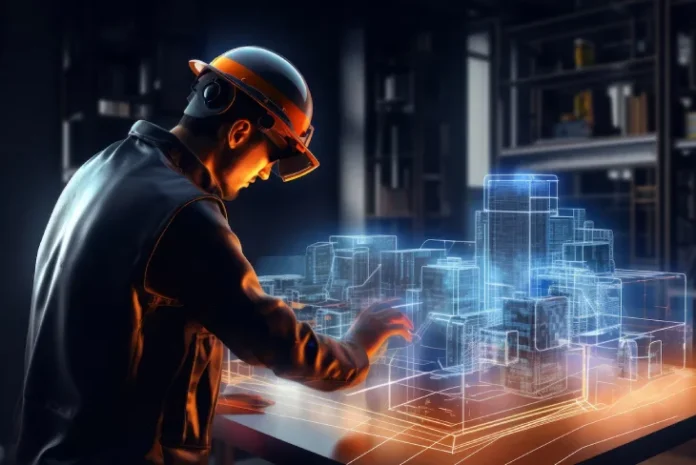

The world of engineering is evolving at an unprecedented pace, and 2025 promises to be no different. From artificial intelligence reshaping workflows to sustainable practices redefining industry standards, this year is set to push boundaries.
These advancements are not only reshaping how engineers work but also laying the foundation for a more efficient and sustainable future.
AI-Driven Tools
Artificial intelligence (AI) has emerged as a game-changer in engineering, automating processes, improving precision, and driving innovation. AI-powered tools, like advanced CAD software, enable engineers to design complex systems faster and more efficiently. For instance, these tools can suggest optimized layouts, predict design flaws, and even simulate real-world performance before physical prototypes are built.
In industrial operations, AI is being used for predictive maintenance, significantly reducing downtime. By analyzing data from equipment sensors, AI can identify potential failures before they occur, saving time and costs. Industries like aerospace, automotive, and manufacturing are already harnessing these capabilities to improve efficiency.
AI also supports sustainable engineering by optimizing resource use, which ties directly into the growing push for eco-friendly solutions. As AI tools become more accessible, they’re expected to transform every corner of the engineering landscape.
For companies like Crane Electronics, integrating such AI-driven innovations into operations ensures precision and efficiency in their cutting-edge engineering solutions.
Green Engineering
Sustainability is no longer optional—it’s essential. Engineers are at the forefront of addressing climate change, using technology to minimize environmental impact while meeting growing global demands. Green engineering focuses on creating eco-friendly designs, implementing renewable energy, and promoting the circular economy.
One of the most exciting developments is the use of AI in sustainable projects. AI algorithms can help select energy-efficient materials and optimize renewable energy systems like wind and solar farms. For example, AI can predict optimal wind turbine placement, maximizing energy output and minimizing land use.
Another area of focus is net-zero construction. Projects are increasingly incorporating innovative materials, like carbon-sequestering concrete and 3D-printed biodegradable components, to minimize carbon footprints. These advancements are not only environmentally friendly but also cost-effective, making them a practical solution for future projects.
By combining AI insights with sustainable practices, engineers can achieve greater efficiency while supporting global environmental goals.
Digital Twin Technology
Digital twins, virtual replicas of physical systems, are transforming how engineers design, test, and optimize projects. These digital models provide real-time data, allowing engineers to monitor systems, predict issues, and make adjustments before implementing changes in the real world.
In urban planning, digital twins are used to design smarter cities. By simulating energy usage, traffic patterns, and waste management systems, engineers can create more efficient, eco-friendly urban environments. Similarly, in industrial applications, digital twins enable engineers to monitor equipment performance remotely, reducing maintenance costs and improving safety.
The integration of digital twin technology with AI enhances its effectiveness. Together, these technologies allow engineers to test sustainable designs, analyze environmental impacts, and ensure reliability—all while cutting development times. For industries like construction, manufacturing, and energy, digital twins are becoming an indispensable tool.
The engineering trends of 2025—AI-driven tools, green engineering, and digital twin technology—are reshaping the industry in profound ways. These innovations don’t just improve efficiency; they also address critical global challenges, from sustainability to resource optimization.
As the industry continues to evolve, staying ahead of these trends will be essential. For businesses like Crane Electronics, adopting these advancements ensures they remain leaders in delivering cutting-edge, efficient solutions to meet the demands of the future.
Final Words
As we wrap up our exploration of engineering trends for 2025, it’s clear that the future is bright and full of promise. Let’s take a moment to reflect on what we’ve learned and what it means for the world of engineering.
1. Solving Big Problems
Engineers are tackling some of the world’s biggest challenges head-on. From fighting climate change to making cities smarter, the work being done today will shape our tomorrow. It’s not just about building things anymore; it’s about building a better future for everyone.
2. Teamwork Makes the Dream Work
These new technologies aren’t working in isolation. They’re teaming up to create something even more powerful. AI is helping make sustainable designs, digital twins are making green cities possible, and it’s all coming together to push engineering forward.
3. Staying Ahead of the Game
For companies and engineers alike, keeping up with these trends isn’t just nice to have – it’s a must. Those who embrace these changes will be the ones leading the way, solving problems we haven’t even thought of yet.


