



Designing hospitality spaces isn’t just about making them look good. It’s about creating environments where guests feel comfortable, inspired, and eager to return. Yet, it’s no secret that hospitality interiors come with their own set of challenges.
For your guidance, the following points will explore how to tackle obstacles associated with hospitality interior design and turn them into opportunities for exceptional design.
Read on.
Balancing Aesthetics And Functionality
Striking the perfect balance between beauty and practicality can feel like walking a tightrope. Guests expect spaces to be picture-perfect, but staff need layouts that support efficient operations.
To solve this, focus on furniture and materials that are as durable as they are stylish. Opt for easy-to-clean fabrics and finishes without sacrificing the desired look. Modular furniture is a smart choice for spaces that require frequent reconfiguration. Remember, a well-thought-out design considers everyone who uses the space—guests, staff, and even maintenance teams.
Curating A Cohesive Theme
Your design must tell a story. Whether it’s a boutique hotel or a high-energy restaurant, the interior should reflect the brand’s identity. But how do you ensure cohesion without being repetitive?
Start with a clear vision. Develop a mood board that aligns with the brand’s values and target audience. Use consistent elements like colors, textures, and patterns to tie everything together. When it comes to curating different materials, you can count on reliable providers.
Don’t forget lighting as well. It’s a powerful tool for creating a conducive atmosphere and reinforcing your theme. When in doubt, less is more. A cluttered design confuses guests and dilutes the impact.
Optimizing Space In Small Areas
Small spaces are a common challenge, especially in urban hospitality settings. You’ve got to pack functionality, comfort, and style into a compact area.
The key is maximizing every inch. Use multi-functional furniture, like ottomans with storage or foldable tables. Mirrors and light colors can make rooms feel larger and more open. Vertical storage solutions are lifesavers in small areas. Keep pathways clear to ensure the space doesn’t feel cramped. Smart design isn’t just about fitting everything in; it’s about making it feel spacious.
Ensuring Accessibility Compliance
Accessibility is non-negotiable in modern hospitality design. But meeting requirements set by law can sometimes feel restrictive. How do you maintain style while ensuring compliance?
Think inclusively from the start. Wider doorways, barrier-free pathways, and accessible seating should blend seamlessly with the overall design. Choose stylish grab bars, lever handles, and other compliant fixtures that enhance the aesthetic rather than detract from it. Designing for accessibility isn’t a limitation; it’s an opportunity to create welcoming spaces for everyone.
Managing Noise Levels
Noise can ruin an otherwise perfect guest experience.
Whether it’s a bustling lobby or a noisy restaurant, sound control is crucial. Acoustic panels, rugs, and upholstered furniture help absorb sound. Incorporate noise-reducing materials into ceilings and walls.
Strategic layout planning also minimizes disruptions; for instance, keep noisy areas like kitchens or bars away from quiet zones. Don’t forget white noise machines or ambient sound systems to mask unavoidable sounds.
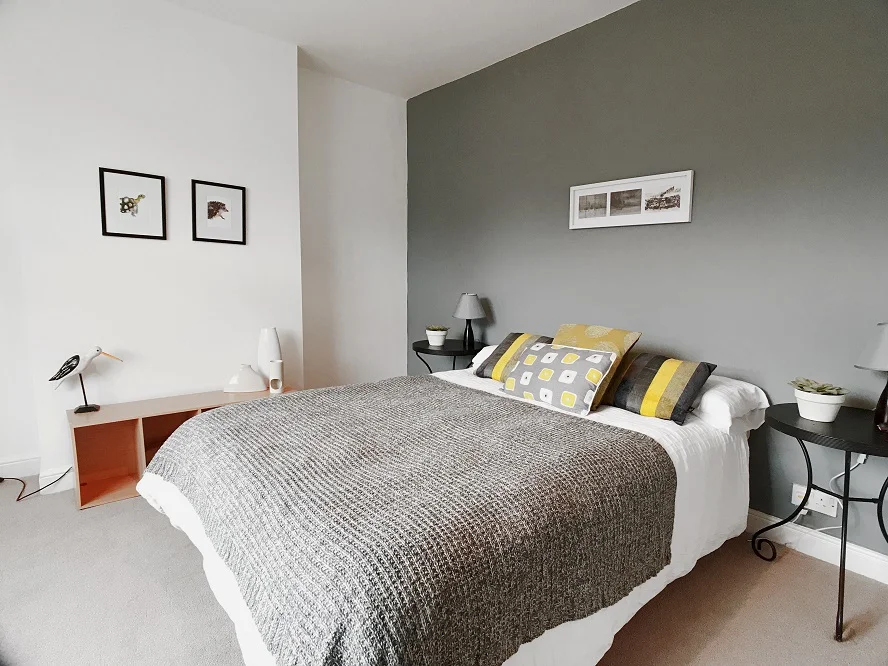
Designing For Flexibility
Hospitality spaces need to adapt. Think of a hotel lobby that doubles as a coworking space or a banquet hall that hosts everything from weddings to conferences.
Flexible design is all about versatility. Modular furniture, movable partitions, and adjustable lighting allow spaces to serve multiple purposes. Focus on timeless design elements that won’t look dated in a few years. This approach ensures your space remains relevant, no matter the trend.
Incorporating Sustainability
Eco-friendly design isn’t just a trend—it’s a necessity. But how do you make sustainability a part of your design without breaking the bank?
Start small. Choose energy-efficient lighting and appliances. Opt for reclaimed or locally sourced materials. Incorporate plants and biophilic elements to improve air quality and connect guests with nature. Guests appreciate efforts toward sustainability, and it can even become a selling point for your property.
Addressing Multicultural Audiences
Hospitality spaces often serve diverse audiences with different cultural expectations. Designing for inclusivity can be a challenge, but it’s worth the effort.
Research is your best friend here. Understand your audience and what’s important to them. For instance, in some cultures, privacy is paramount, while others value communal spaces. Subtle nods to cultural elements—like artwork, patterns, or menu design—make guests feel at home without alienating others. Always aim for a design that’s inclusive yet universal.
Maintaining Consistency During Space Renovations
Renovations are inevitable in hospitality, but keeping the design consistent during upgrades can be tricky.
Start by identifying the non-negotiable elements of your brand’s identity. Keep these intact while refreshing other aspects. Use phased renovations to minimize disruptions and ensure continuity. Communicate clearly with your team to avoid mismatched design decisions. Consistency builds trust with guests, even during change.
Focusing On The Guest Experience
At the heart of every hospitality design is the guest. How do you create spaces that not only meet expectations but exceed them?
Put yourself in the guest’s shoes. Consider every touchpoint, from check-in to checkout. Use technology to enhance convenience, like keyless entry or app-based room controls. Pay attention to details—the texture of a chair, the scent in the lobby, or the lighting in the bathroom. When every element works together seamlessly, the guest experience becomes unforgettable.
Final Words
Designing hospitality interiors is a dynamic process filled with challenges and opportunities. By addressing the abovementioned effectively like Cutwrights, you can create spaces that aren’t only beautiful, functional, inclusive, and memorable as well.