
The most effective homes are often the ones where you step inside, and it already feels comfortable, professionally finished, and arranged in some sort of harmonious order. Other homes may be equally functional, but they feel flat and bland. This is often because of little design decisions that go a long way in making a space feel like something more than just a series of walls.
The good news is that the top changes don’t require gutting an entire home. Instead, effective upgrades made in the right places can really change the character of a house.
The One Upgrade that Delivers More Impact on an Entire House
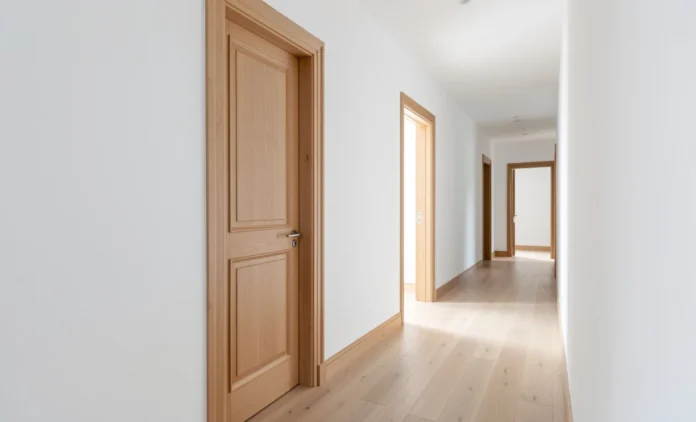
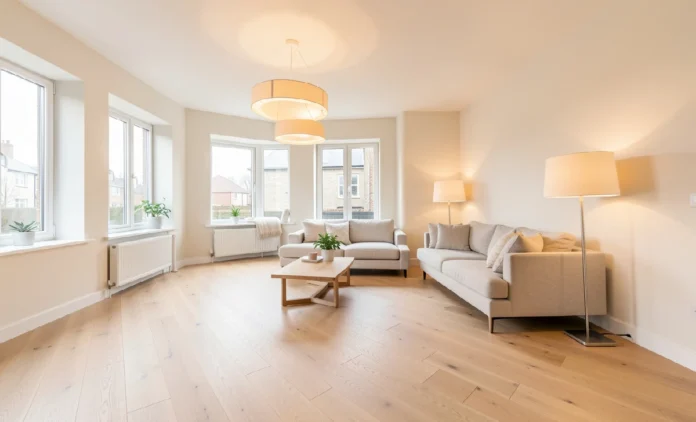
First and foremost, the one upgrade that impacts every single space it’s in is the floor. Flooring (or lack thereof) is one of those things people don’t think about until they change it and wonder why they took so long. Old carpet, scratched timber, or dated vinyl drags a room down, no matter how nice the furniture is or how fresh the coat of paint happens to be. When new flooring is installed that has texture, warmth, or visual interest, suddenly the room feels cohesive, inviting, even special.
For example, larger format tiles can make even a postage stamp of a space feel more open and appealing (especially to potential buyers). Timber or timber-look options create warmth that is difficult to recreate with any other material. Polished concrete reads as modern and fresh. The trick is in choosing the material based on how the space is actually used, as opposed to how something looks in a photograph.
The Biggest Areas for Tiling Impact
The areas where selected tiles have the biggest visual impact are in the bathrooms and kitchens—two spaces where buyers look most critically, yet where owners spend the most time day-to-day. So, we need to consider tiles beyond just the floors.
The tiles available now, in contrast to even ten years ago, are extensive. Matte finishes are almost tactile; glazed surfaces reflect light delightfully; handmade-style tiles feel like each tile is slightly different from the next; large slabs create spa-like or hotel-like bathrooms. Visiting a tiles showroom in person rather than shopping purely online makes a real difference here. Colours shift under different lighting, textures only reveal themselves up close, and scale is almost impossible to judge from a screen.
In addition to floors, it’s worth getting creative with feature walls. For example, a singular tiled wall behind a vanity or tub can make the entire bathroom pop without having to retile every square inch. It creates the illusion of expense without necessarily breaking the bank.
Upgrades Where Lighting Impact Is Most Noticeable
Arguably, one of the most underrated upgrades involves lighting. Replacing outdated overhead fittings for something more intentional or adding task lighting in a kitchen or layering ambient and accent lighting in a living room can feel life-changing at night and on dreary days when natural lighting isn’t an option.
The downside to lighting is that it’s often an afterthought during renovations. People go back and forth for weeks about tiles and paint colors, but lighting becomes an exhausted decision that gets pushed under the radar instead of championed and prioritized as integral to the overall atmosphere.
A well-lit home with equally dark spaces can be perceived by buyers as two completely separate homes if they have the same aesthetic but poor lighting qualities. Warm bulbs, dimmers, and well-placed fittings should take precedence from day one of any project.
Kitchens Without Full Renovations
Full kitchen renovations are expensive and distracting. Instead, there are targeted updates that visually transform without complete overhauls. Splashbacks are some of the best contributors; dated splashbacks make kitchens feel small, while fresh ones instantly uplift. Subway tiles have been in for quite some time, but people are gravitating toward more textured options (like zellige styles) or larger format tiles that read as more contemporary.
Cabinet fronts are equally in need of attention; repainting or replacing the faces of cabinet doors while keeping existing carcasses saves an owner tons of money with a grander transformation (a new kitchen!). Throw in some new hardware and a fresh splashback, and suddenly the kitchen reads as almost entirely new.
One of the Best Value Upgrades Is Paint
It would be remiss to overlook paint just because it’s one of those changes that everyone considers. Fresh paint with intentional colors does more for a wallet than most people realize. Simply switching from builder’s white to an off-white with warm undertones, or adding contrast colors across certain walls (deep tones in bedrooms or bright colors in playrooms) can transform how someone feels about a space.
Even ceilings can benefit from paint. Rather than stark white, off-whites or light tones can make spaces look thoroughly finished without feeling sterile; it’s a small adjustment that licensed interior decorators use all of the time because it works.
The Most Benefit From Visual Investment
For anyone still determining where best to place renovations on a priority list for their own benefit, the areas that provide the best visual returns tend to be bathrooms, kitchens, and main living areas—the spaces that provide buyers with first impressions upon entry and highest usage opportunities over time.
Within those spaces, flooring and tiling consistently deliver the most noticeable change per dollar spent. They cover large surface areas, they’re among the first things people notice, and they set the visual foundation that everything else builds on. Lighting and paint then reinforce and amplify those choices.
The most effective renovations aren’t always the most expensive ones. They’re the ones where attention goes to the right places, decisions are made thoughtfully, and the finished result feels cohesive rather than piecemeal. That kind of outcome is absolutely achievable with careful planning and a clear sense of where the biggest visual gains actually live.