
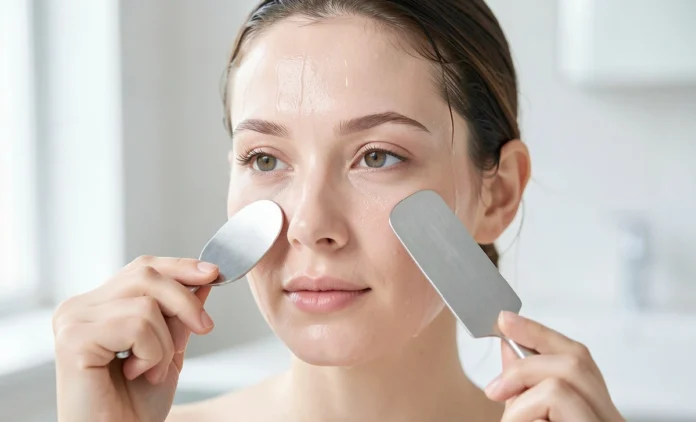


Sensitive skin can make every new skincare tool feel like a risk. One wrong step can leave your face red, tight, or irritated for hours. That is exactly why I approached the Ultrasonic Skin Scrubber with caution the first time I used one at home. I had seen people describe it as a simple way to lift away buildup, smooth rough patches, and make skin look fresher, but I also knew that sensitive skin does not always respond well to exfoliation.
What I learned is that an Ultrasonic Skin Scrubber can be helpful, but only when used with the right technique, the right expectations, and a gentle routine built around skin barrier care. If you have ever wondered whether this device is too harsh for delicate skin, here is a practical look at what stood out to me.
What an Ultrasonic Skin Scrubber Actually Does
An Ultrasonic Skin Scrubber is a handheld skincare tool that uses high-frequency vibrations to help loosen surface debris, leftover oil, and dead skin cells. It is often called an ultrasonic skin spatula because of its flat metal tip, which glides across damp skin.
Unlike harsh physical scrubs that rely on rough particles, this tool is designed to work more gently on the skin’s surface. That difference is one reason many people with reactive skin become curious about it. The idea of a skin scrubber that does not involve gritty exfoliants can sound much safer.
Still, gentle does not automatically mean harmless. Sensitive skin reacts not only to ingredients but also to friction, pressure, and overuse. That became obvious to me very quickly.
Why Sensitive Skin Needs a Different Approach
When I first started using an Ultrasonic Skin Scrubber, I realized that sensitive skin needs a slower approach than most online tutorials suggest. Many demonstrations make it look like you can glide the device over your whole face several times and instantly reveal cleaner pores. In reality, sensitive skin often needs fewer passes, lighter pressure, and longer gaps between sessions.
My skin tends to react to anything too aggressive. Even some products labeled for gentle exfoliation can leave me with stinging around the nose and cheeks. Because of that, I tested the device only once a week at first and focused on areas where buildup was more noticeable, especially around the nose and chin.
That choice made a big difference. Instead of turning the experience into a full-face deep-cleaning session, I treated it as a careful maintenance step.
My First Experience Using an Ultrasonic Skin Scrubber at Home
The first thing I noticed was that damp skin matters more than people think. When the skin started drying out, the tool no longer glided smoothly, and the experience felt less comfortable. Keeping the face properly moist helped reduce drag and made the treatment feel much gentler.
I also learned that pressure matters. The Ultrasonic Skin Scrubber is not a tool you should press hard into the skin. Sensitive skin responds better when the blade is angled lightly and moved slowly. The moment I tried to do too much in one area, I could see mild redness building.
The results after the first use were subtle but noticeable. My skin did not look dramatically different, but it felt smoother around the nose and looked a little fresher overall. More importantly, I did not get the irritated, over-exfoliated feeling I had feared. That told me the device could fit into my routine, but only with restraint.
What Helped and What Did Not
What Helped My Sensitive Skin
Using the Ultrasonic Skin Scrubber on freshly cleansed, damp skin helped the process feel more controlled. I avoided active ingredients on the same day, especially strong acids and retinoids. Afterward, I used a simple hydrating serum and a fragrance-free moisturizer to support the skin barrier.
Spacing out treatments also helped. For sensitive skin, more is not better. Once a week was enough for me in the beginning, and even that felt effective.
What Did Not Work Well
Trying to chase instant pore perfection was the biggest mistake. An ultrasonic skin device can help remove surface buildup, but it is not a magic fix for every clogged pore or texture concern. Going over the same area again and again only increased the chance of irritation.
I also found that using the device on already stressed skin was a bad idea. If my face felt dry, reactive, or slightly inflamed, skipping the session was the smarter choice.
Ultrasonic Skin Scrubber vs Traditional Exfoliation for Sensitive Skin
One of the biggest reasons I kept using the Ultrasonic Skin Scrubber is that it felt easier to control than some traditional exfoliation methods. Harsh face scrubs can leave sensitive skin feeling raw. Strong acids can be effective, but they sometimes trigger dryness or stinging if the formula is not a good match.
By comparison, the Ultrasonic Skin Scrubber gave me a more targeted option. I could choose where to use it, how long to use it, and how light the contact would be. That said, it still requires care. It may be gentler than some exfoliating products, but overuse can still damage comfort and balance.
For me, the tool worked best as a mild support step, not as the center of my routine.
Best Practices for Using an Ultrasonic Skin Scrubber on Sensitive Skin
If you have delicate or reactive skin, the safest mindset is to keep everything simple. Start with clean skin, keep the face damp, and use the lightest pressure possible. Focus on areas with visible congestion instead of treating the whole face aggressively.
Pay close attention to how your skin feels later that day and the next morning. Sensitive skin often gives feedback with tightness, warmth, or prolonged redness. If that happens, reduce frequency or stop using the device for a while.
A skin scrubber can be useful, but barrier health should always come first. Hydration, gentle cleansing, and avoiding too many exfoliating steps in one routine matter just as much as the tool itself.
Final Thoughts on Using an Ultrasonic Skin Scrubber With Sensitive Skin
Trying an Ultrasonic Skin Scrubber at home taught me that sensitive skin does not always need fewer options. It needs smarter ones. This tool can be a helpful addition for people who want a gentler way to deal with dullness, light congestion, and surface buildup, but success depends on technique and moderation.
What I learned most is that skincare tools work best when expectations stay realistic. The Ultrasonic Skin Scrubber did not transform my skin overnight, but it did help me maintain a smoother, cleaner look without pushing my skin too far. For sensitive skin, that kind of balanced result is often exactly what matters most.
FAQs
Is an Ultrasonic Skin Scrubber safe for sensitive skin?
It can be safe for sensitive skin when used carefully, with light pressure and limited frequency. The key is to avoid overuse and never use it on irritated or damaged skin.
How often should sensitive skin use an ultrasonic skin device?
Many people with sensitive skin do better starting with once a week or even less. Watching how the skin reacts is more important than following a fixed schedule.
Can an Ultrasonic Skin Scrubber replace chemical exfoliation?
Not completely. It can help with surface buildup and mild texture, but it does not work exactly like chemical exfoliants. Some people use it as a gentler alternative when acids feel too strong.
Why did my skin turn red after using a skin scrubber?
Redness usually happens from too much pressure, too many passes, or using the device on skin that is not damp enough. Sensitive skin is especially likely to react when the technique is too aggressive.
What should I apply after using an Ultrasonic Skin Scrubber?
A simple, hydrating, and fragrance-free routine is usually best. A soothing serum and moisturizer can help support the skin barrier after treatment.